Backer Cynebar Ohmic designs, manufactures and supplies industrial electric heating products for Australian industry. Our range includes tubular elements, immersion heaters, duct heaters and heat-trace cable, alongside cartridge heaters, silicone heat mats and temperature controls.
Heater types and applications
Tubular heating elements
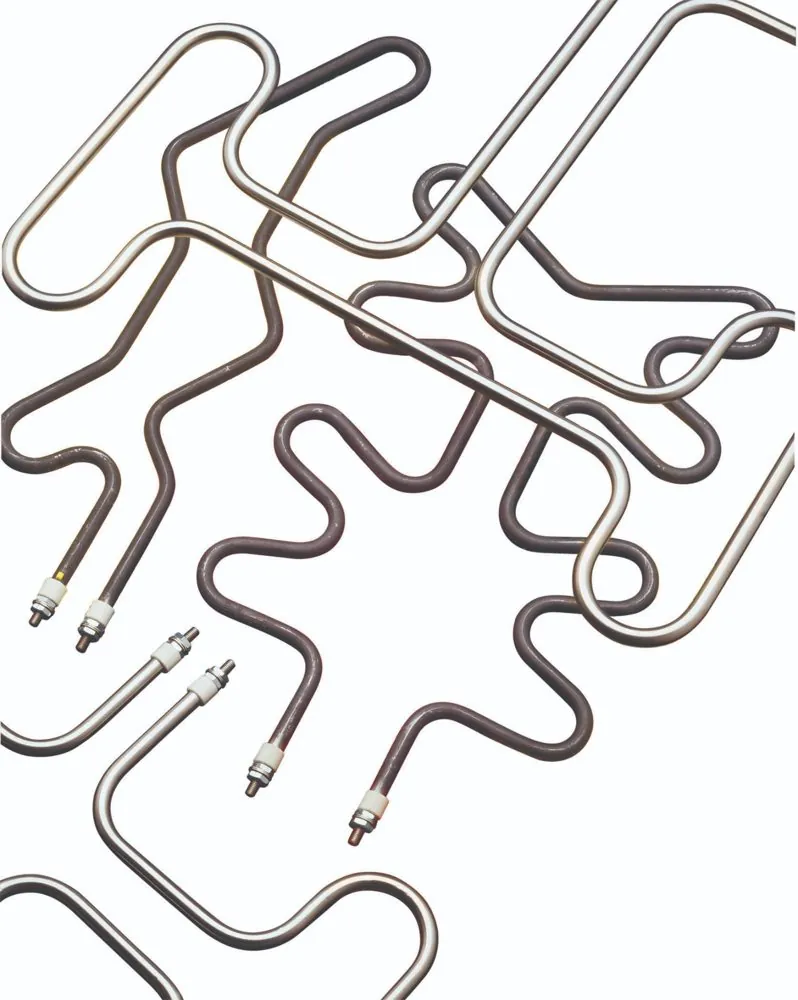
For process water, oils, ovens, platens and moulds, tubular elements can be formed to suit the equipment. Brisbane-made elements are available in 8mm and 11mm diameters, up to 5m long, with over 80 standard bend formations. Sheath choices include Incoloy 800, stainless steel 321, Titanium and Incoloy 825; select the material for the medium and operating temperature. Flat FIREBAR® elements suit immersion applications, while finned FINBAR™ elements add surface area for air heating.
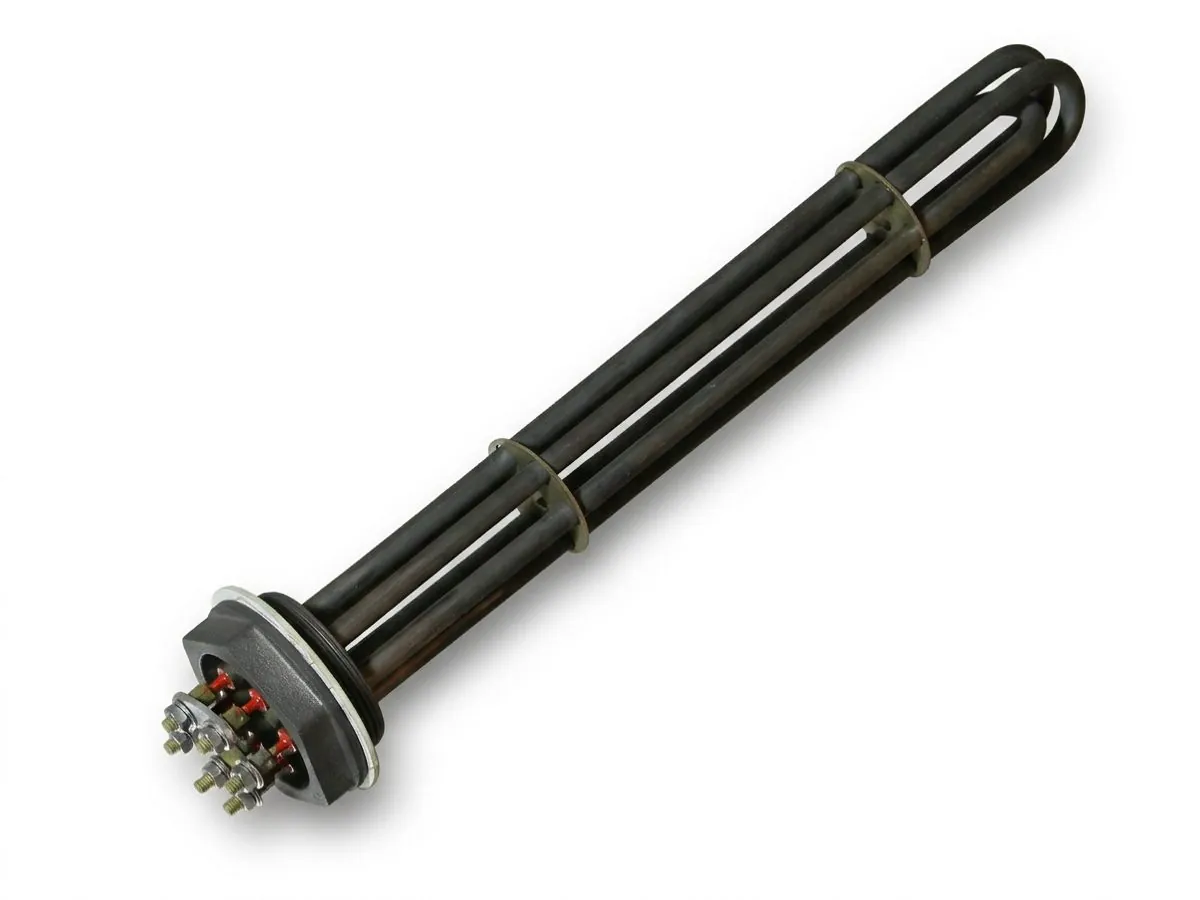
The range includes screw plug, flange and circulation heaters for water, oils and process fluids. Screw plug and flange heaters provide different vessel mounting arrangements; circulation heaters heat fluid flowing through a chamber. Specify the fluid, required temperature, connection and available installation space. For a flowing process, include the flow rate and inlet and outlet temperatures so our team can assess the duty.
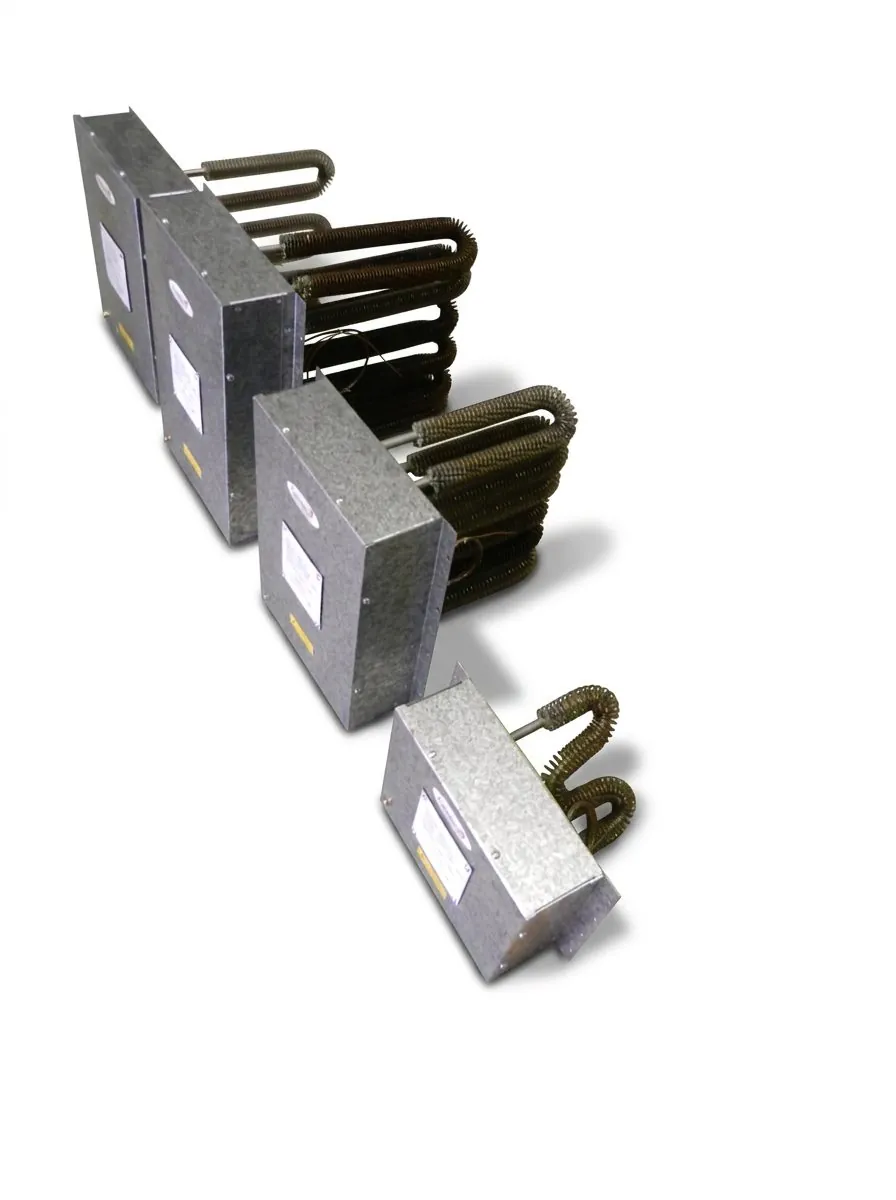
For ventilation, drying and process air heating, duct heaters can be made to suit duct dimensions using finned elements. Brisbane-designed and fabricated units are available in single- or three-phase configurations, with SCR control options. Selection starts with airflow in L/s or m³/hr, inlet temperature and required temperature rise. Discuss over-temperature protection, airflow or pressure switches and fan interlocks alongside the heater, rather than specifying heating power alone.
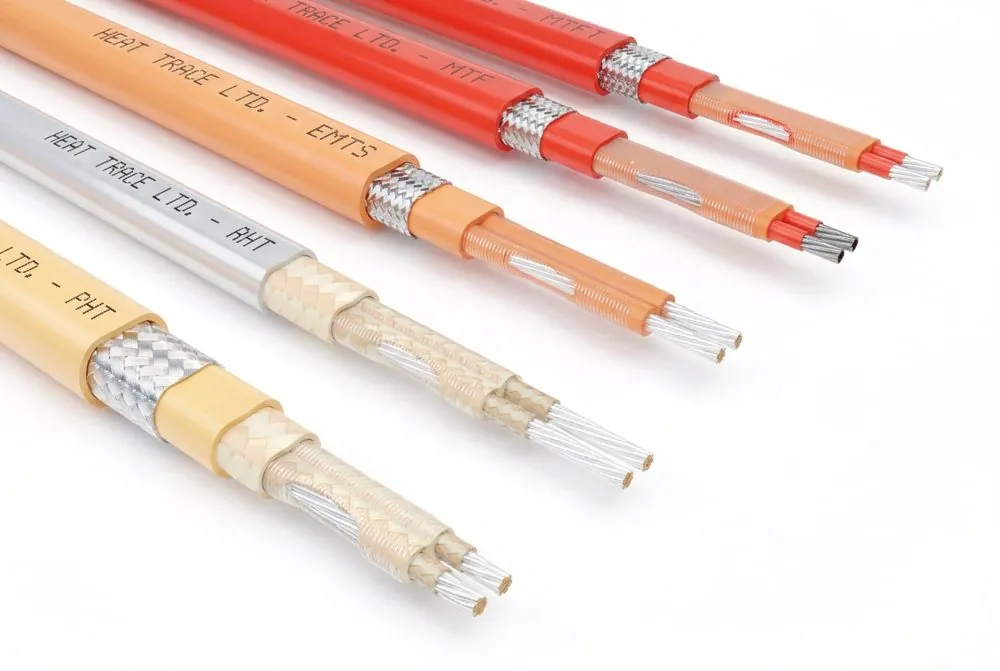
For maintaining process pipeline temperature, constant wattage cable supplies a fixed output per metre; 50 W/m and 70 W/m versions are stocked in Brisbane. Constant wattage and mineral insulated (MI) cable are suitable for asphalt applications at 180°C, subject to installation requirements. MI cable also suits high watts-per-metre duties and heat maintenance in hoppers and tanks, with custom factory-made and selected pre-made lengths. Pipe dimensions, insulation and heat loss determine the required output—not temperature alone.
For other equipment requirements, explore our complete heating element range, including cartridge heaters and silicone heat mats.
Australian manufacturing and supply
Backer Cynebar Ohmic manufactures industrial electric heating elements in Brisbane, Australia, and supplies a broader heating and controls range. Our customers include manufacturing, mining, food processing, refrigeration and power generation businesses. Ask our team which products can be locally manufactured or supplied for your project; not every product in the range should be assumed to be Australian-made.
How to select an industrial electric heater
Start with what you need to heat and the required process temperature—not a wattage alone. Our team can review your application details and discuss heater type, dimensions, electrical supply and controls before recommending a product.
1. Match the heater to the heat-transfer path
Identify whether you are heating a liquid in a vessel, a flowing fluid, moving air, equipment surfaces or a pipeline. Compare immersion and circulation heaters for fluids, tubular or finned elements for air and equipment, and heat tracing for temperature maintenance along pipes.
2. Separate process temperature from element temperature
The required fluid or air temperature is not the heater sheath temperature. Tubular element watt density and sheath material must suit the medium and how heat is removed. Include starting temperature, target temperature, heat-up time and operating duty so the team can review output without treating a catalogue maximum as suitable for every installation.
3. Confirm fit, materials and electrical supply
Provide vessel connections, duct dimensions or the element's heated and overall lengths, plus mounting and termination details. State the available voltage and whether the supply is single or three phase. Identify the process fluid and site environment so material choices can be checked for the application.
4. Select controls and protection with the heater
Discuss temperature sensors, temperature control and independent over-temperature protection. For duct heating, include airflow proving and fan interlock requirements. Identify existing control equipment and any required integration before the heater is specified.
Replacing an existing or OEM heater
For an OEM replacement, send a drawing, clear photos or a sample, together with the existing voltage and wattage. Include element diameter, bend shape, heated and overall lengths, mounting points and lead or terminal arrangements. Our Brisbane team can review these details against the application; matching appearance alone does not establish the correct heater duty.
What to include in your enquiry
Process material or medium to be heated
Starting and required operating temperatures, heat-up time and operating duty
Pipe, tank, duct or equipment dimensions; fluid flow rate or airflow where applicable
Available supply voltage, single or three phase, and required heating output if specified
Insulation material and thickness, installation environment and ambient conditions
Mounting, connection and termination requirements; drawings, photos or existing heater details
Temperature control, sensors, monitoring and protection requirements
Quantity and whether the enquiry is for a replacement, new equipment or ongoing OEM supply
Discuss temperature controls and sensors with the heater selection so the complete heating system meets your process requirements.
Request technical selection help
Send your application details to Backer Cynebar Ohmic through our contact form. If you are unsure which heater type to choose, describe your process and ask our team for guidance.