
Heating Elements
Radiant Heaters
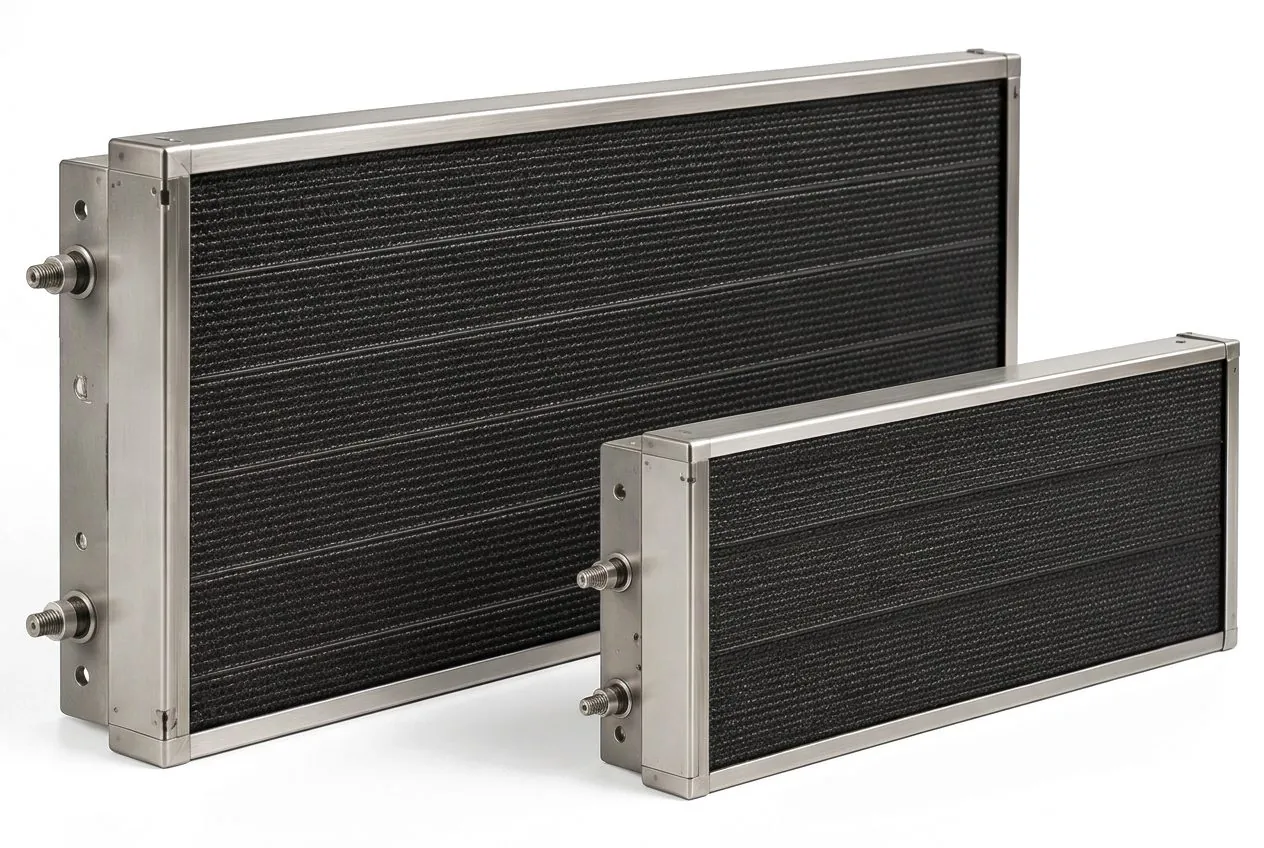
When fast, efficient, and controllable heat is essential, radiant heaters provide one of the most effective heating solutions available for Australian industry. Designed to transfer heat directly to the target surface, radiant heaters deliver rapid thermal response, improved energy efficiency, and consistent temperature distribution across a wide range of industrial applications. From plastics manufacturing and powder coating to food production, mining support equipment, and heat treatment processes, radiant heaters help businesses increase productivity while maintaining reliable process control. With operating temperatures reaching up to 1095°C (2000°F) and watt densities up to 30 W/in² (4.7 W/cm²), these heaters are engineered to perform in demanding industrial environments.
RADIANT HEATERS
What Are Radiant Heaters?
Radiant heaters are electric heating panels that generate infrared energy and direct heat towards a product, surface, or process. Unlike conventional heating methods that first warm the surrounding air, radiant heaters transfer energy directly to the object being heated.
This results in:
- Faster heat-up times
- Improved energy efficiency
- Uniform temperature distribution
- Better product quality
- Precise heating control
Many industrial radiant heaters utilise high-emissivity surfaces, insulated backing materials, and robust metal construction to maximise heat output while reducing energy losses.
RADIANT HEATERS
Why Australian Manufacturers Choose Radiant Heaters
Industrial facilities across Australia operate in highly competitive environments where uptime, efficiency, and product quality directly impact profitability.
Radiant heaters offer several key advantages:
Fast Process Response
Low-mass heater construction enables rapid start-up and quick response to temperature controllers. This helps reduce production delays and improve throughput.
Improved Energy Efficiency
Insulated heater designs minimise backside heat losses and direct more energy towards the product being heated.
Uniform Heating Performance
Full-surface radiant emitters provide even heat distribution, reducing temperature variations that can affect product quality.
Long Service Life
Industrial radiant heaters are typically constructed from stainless steel, insulated heating elements, and durable emitter materials designed for continuous operation.
Flexible Installation
Radiant panels can be mounted vertically, horizontally, overhead, or integrated into existing equipment, making them suitable for both new installations and retrofit projects.
RADIANT HEATERS
Common Industrial Applications
Radiant heaters are widely used throughout Australian manufacturing and process industries.
Thermoforming
Radiant panels provide uniform heating of plastic sheets before forming, helping achieve consistent production quality.
Paint, Ink and Coating Curing
Infrared heating accelerates curing times for paints, epoxies, powders, films, and industrial coatings.
Food Processing
Radiant heaters can be used for food warming and specialised processing applications where consistent heat and easy cleaning are important.
Furnace and High-Temperature Process Heating
High-temperature radiant heating systems are commonly installed in conveyor furnaces, annealing lines, tempering systems, and industrial ovens.
Packaging and Shrink Wrapping
Fast-response radiant heat improves production speeds and product consistency in packaging operations.
Glass, Metal and Ceramic Processing
Radiant heaters are frequently used in tempering, annealing, drying, and heat treatment applications where precise temperature control is required.
RADIANT HEATERS
Key Features of Industrial Radiant Heaters
High Temperature Capability
Depending on the heater design, radiant panels can operate at temperatures from approximately 540°C to 1095°C, making them suitable for both moderate and extreme temperature applications.
High Watt Density Output
With watt density ratings up to 30 W/in² (4.7 W/cm²), radiant heaters can deliver substantial heat output in a compact footprint.
Custom Sizes and Configurations
Radiant heaters can be manufactured in a wide range of dimensions, voltages, power ratings, and mounting arrangements to suit specific process requirements.
Multi-Zone Heating
Many industrial applications benefit from zoning, allowing different sections of a heater to operate independently. This enables greater process control and can improve energy efficiency.
Accurate Temperature Sensing
Optional temperature monitoring systems can provide precise control of heater surface temperatures, helping maintain product quality and process consistency.
RADIANT HEATERS
Choosing the Right Radiant Heater
Selecting the correct radiant heater involves more than simply matching wattage.
Key considerations include:
Surface Temperature Requirements
Determine the operating temperature needed for the process and select a heater rated for those conditions.
Material Being Heated
Different materials absorb radiant energy differently. The product characteristics will influence heater design and wavelength selection.
Heater Size and Coverage
The heated area determines the required panel dimensions and total power output.
Control Requirements
Processes requiring tight temperature tolerances may benefit from integrated thermocouple monitoring and advanced control systems.
Installation Environment
Factors such as mounting orientation, available space, ambient temperature, and exposure to contaminants should all be considered during heater selection.
RADIANT HEATERS
Benefits for Australian Industry
Australian manufacturers increasingly seek heating systems that reduce operating costs while improving efficiency.
Radiant heaters support these objectives by offering:
- Fast heat-up times
- Reduced energy waste
- Precise temperature control
- Consistent product quality
- Minimal maintenance requirements
- Flexible system design
- Long-term reliability
Whether used in manufacturing facilities, food production plants, packaging lines, engineering workshops, or industrial processing operations, radiant heaters continue to be a preferred solution for efficient electric heating.
RADIANT HEATERS
Request a Quote
The right radiant heater can significantly improve heating performance, product quality, and process efficiency. Whether you're designing a new production line, upgrading existing equipment, or replacing outdated heating technology, a properly specified radiant heater can deliver reliable and cost-effective results.
Contact our team today for expert advice, technical assistance, and a customised radiant heating solution tailored to your Australian industrial application.
FAQ
Frequently asked questions
Interested in radiant heaters?
Tell us about your application and our engineers will find the right solution.