
Heating Elements
Drum Heaters
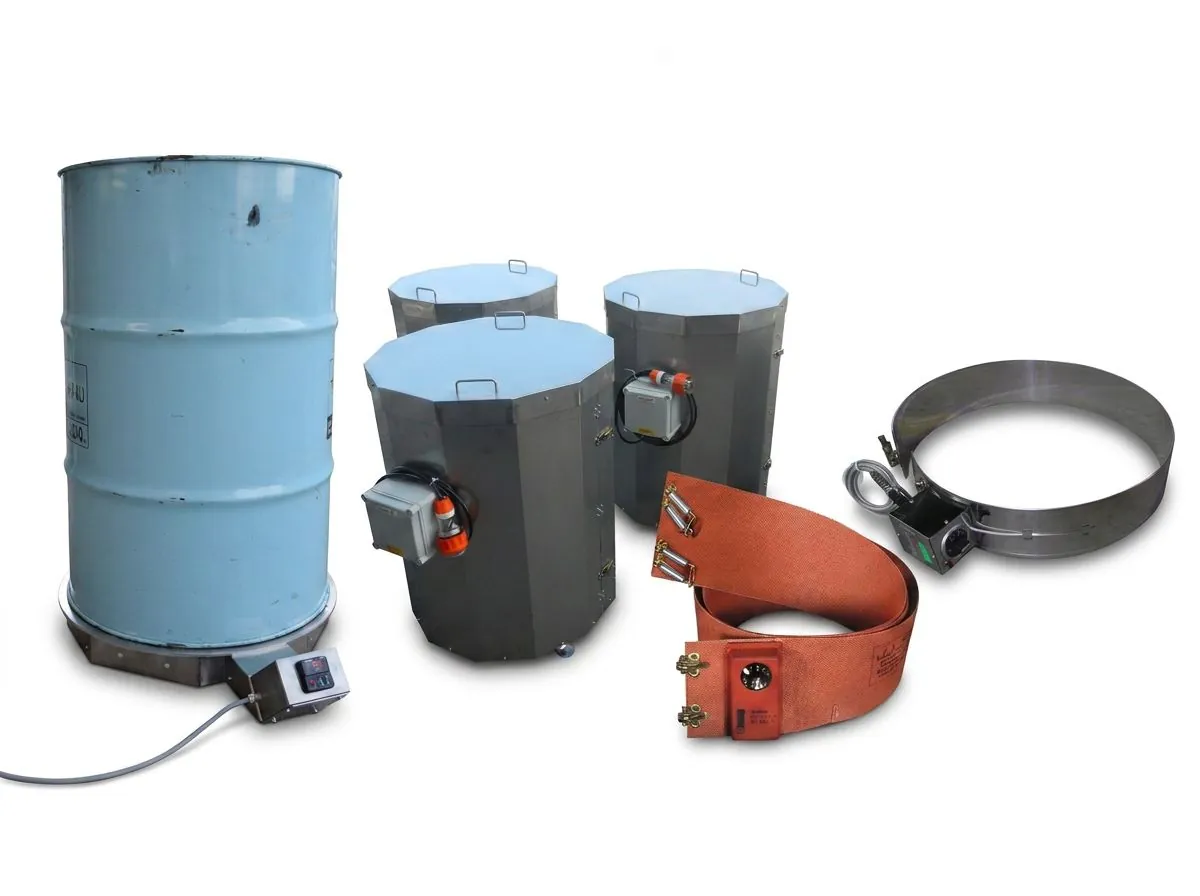
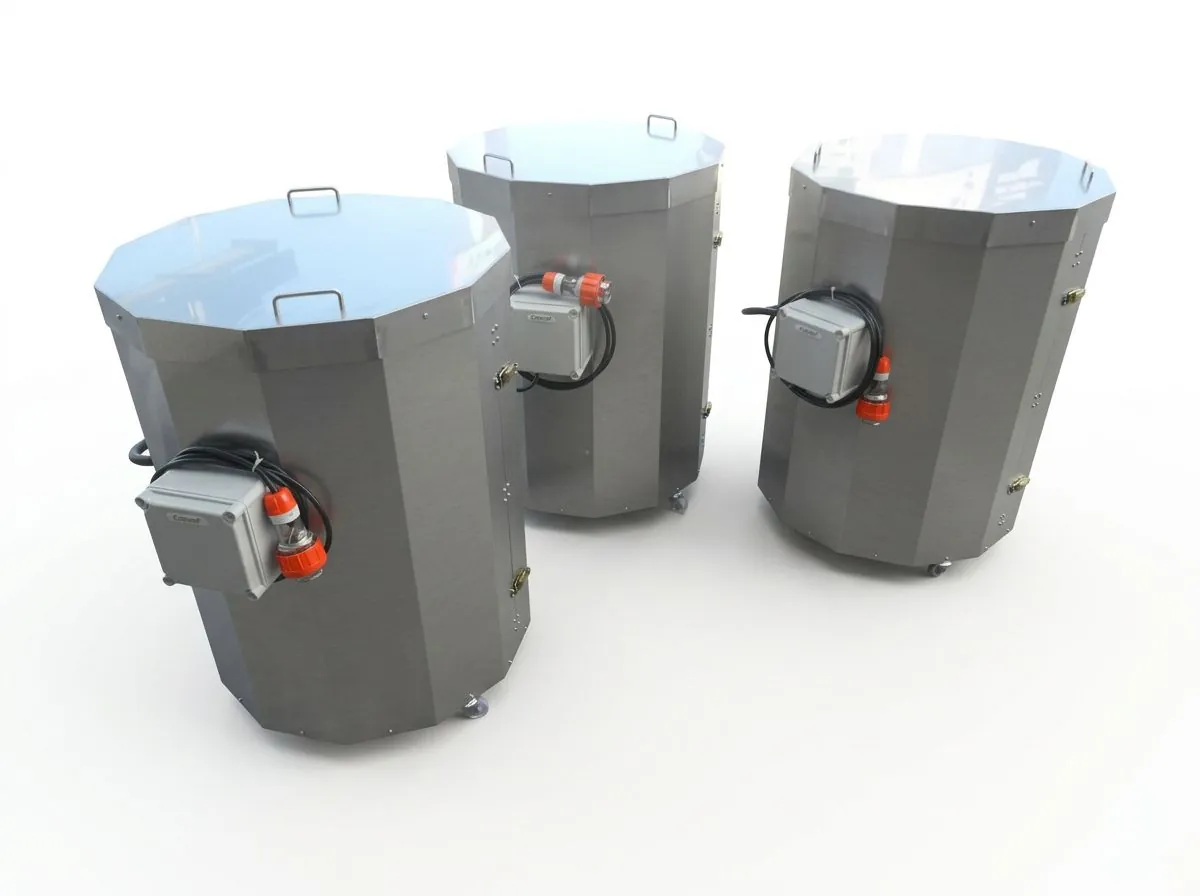
A drum heater for the occasional cold winter day. A temperature controlled room for pallets of drums when production is key.
DRUM HEATERS
Drum Heaters
Generally used in lower temperature ranges to improve flow rate and recovery percentage from viscous products they can also elevate product temperatures. Gentle enough not to damage and powerful enough to do the job.
- Resins & Waxes
- Greases & Lubricants
- Palm & Coconut Oils, Animal Fats
- Honey, Molasses & Syrups
- Chemicals & Adhesives
GALLERY
Drum Heaters images
DRUM HEATERS
What Is a Drum Heater?
Industrial liquids don't always behave the way you need them to. Oils become thick, chemicals crystallise, adhesives become difficult to pump, and food ingredients can become too viscous to process efficiently. A drum heater is one of the most effective solutions for maintaining or increasing the temperature of materials stored in metal or plastic drums, ensuring consistent product quality and smoother operations.
A drum heater is an electric heating device designed to apply controlled heat to drums, barrels and containers. Its primary purpose is to maintain product temperature, prevent solidification, reduce viscosity and improve flow characteristics. Drum heaters are commonly used with:
- Oils and lubricants
- Grease and waxes
- Resins and adhesives
- Paints and coatings
- Food ingredients
- Chemicals and solvents
- Water treatment products
- Bitumen and heavy fuels
By maintaining the correct temperature, drum heaters allow materials to be pumped, mixed, poured or processed more efficiently.
DRUM HEATERS
Key Benefits of Drum Heaters
Many industrial liquids are temperature-sensitive. When temperatures drop, products can become difficult to handle, leading to production delays and increased costs.
- Improved Product Flow – heating reduces viscosity, allowing thick liquids such as oils, syrups, resins and adhesives to flow more freely.
- Faster Production Processes – materials can be pumped, mixed and dispensed more efficiently at optimal temperatures.
- Reduced Waste – heating helps maximise recovery of products that would otherwise solidify or crystallise in the container.
- Better Product Quality – a stable temperature ensures consistency in chemical reactions, mixing and manufacturing processes.
- Lower Energy Costs – targeted drum heating is often more efficient than heating an entire room or storage area.
DRUM HEATERS
How Does a Drum Heater Work?
A drum heater transfers heat directly to the surface of a drum. Heat then conducts through the drum wall and into the contents. Most systems use thermostatic temperature control to maintain a desired setpoint. Common operating temperatures range from:
- Ambient holding temperatures
- 40°C to 60°C for viscosity reduction
- 80°C to 120°C for process heating
- Higher temperatures with specialised equipment
The exact temperature depends on the product being stored and the heating technology used.
DRUM HEATERS
Types of Drum Heaters
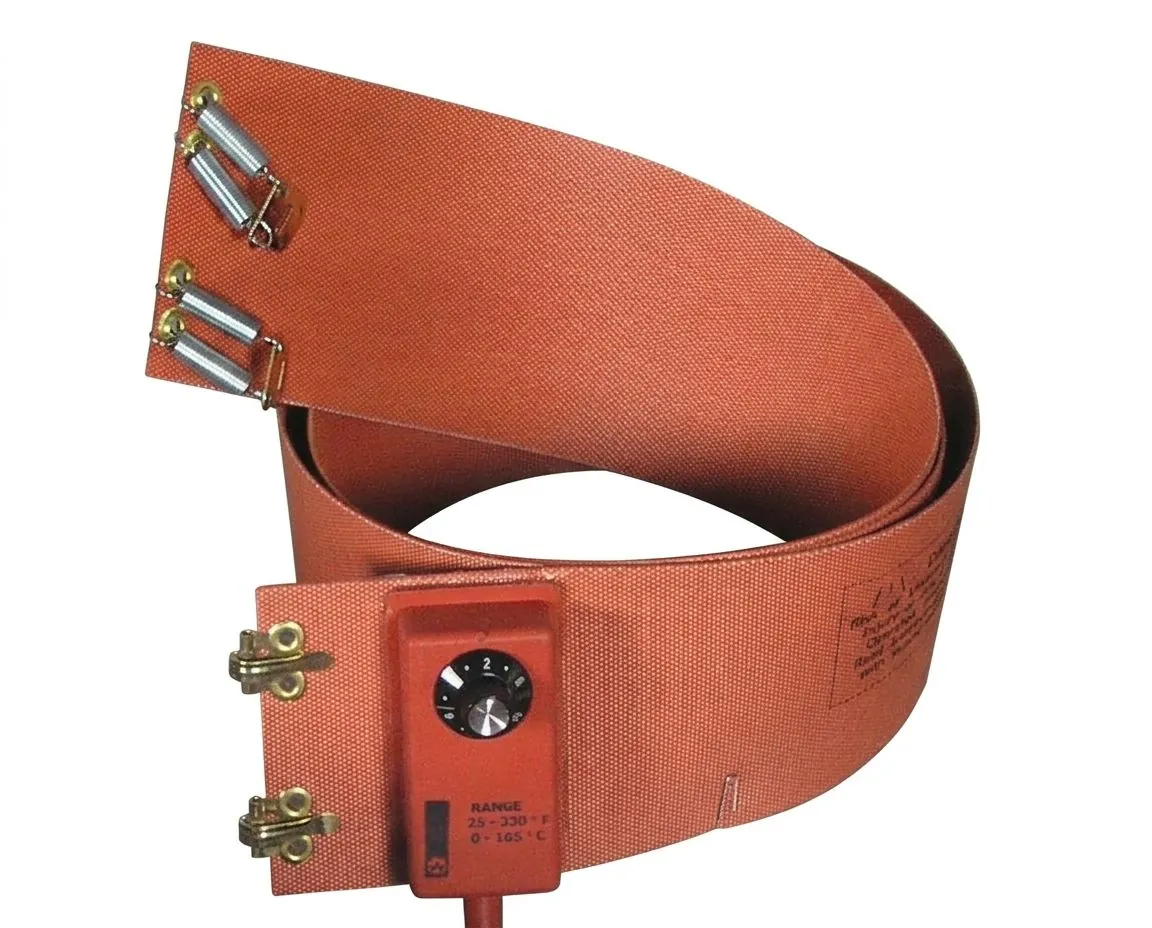
Drum Heating Jackets – wrap around the circumference of the drum and provide even heat distribution. Easy to install, energy efficient, with adjustable temperature control, and suitable for steel and plastic drums. Heating jackets are among the most widely used drum heating solutions.
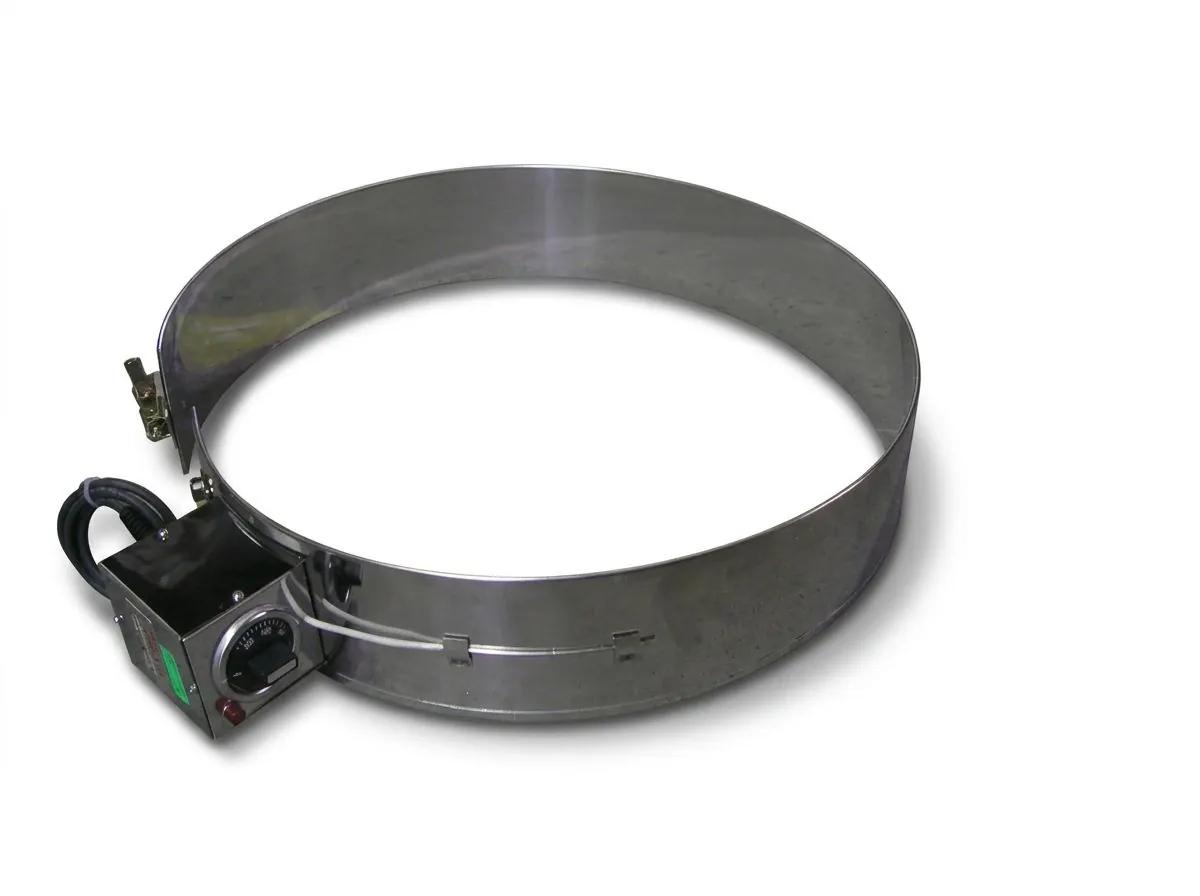
Drum Heating Bands – provide direct contact heat around the drum. Rapid heating, compact design, and effective for maintaining process temperatures on metal drums.
Insulated Drum Heaters – combine heating elements with insulation to minimise heat loss. Ideal for outdoor installations, cold climates and long-term temperature maintenance.
Drum Heating Ovens – enclose one or more drums inside a heated chamber, used when higher temperatures, complete drum heating or simultaneous heating of multiple containers is required.
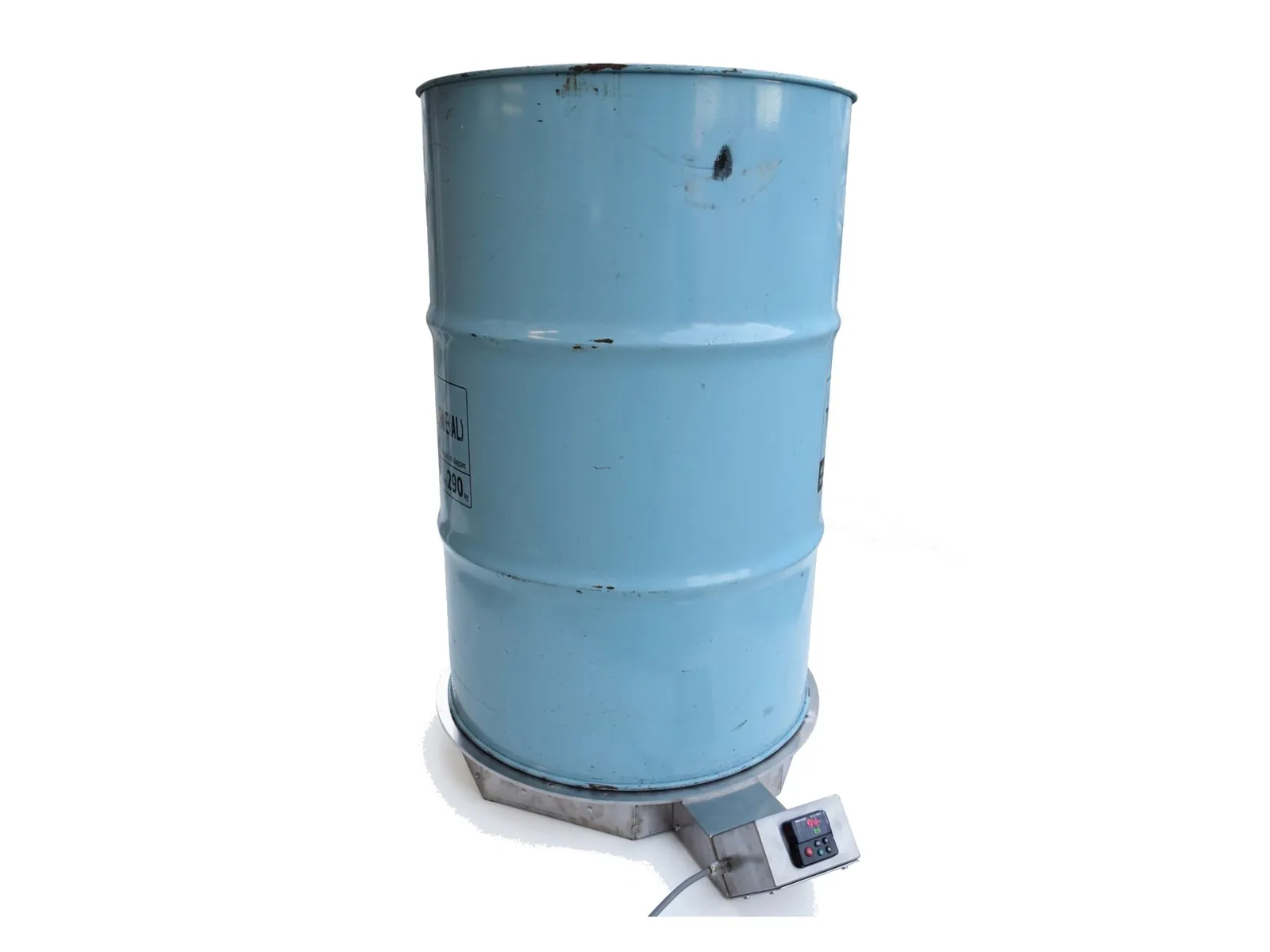
Base Drum Heaters – installed beneath the container to warm materials from the bottom up. Particularly effective for waxes, fats and semi-solid products.
DRUM HEATERS
Industries That Commonly Use Drum Heaters
- Chemical Processing – preventing crystallisation and maintaining process stability.
- Oil and Gas – improving flow and pumping of lubricants, hydraulic oils and heavy fuels.
- Food and Beverage Manufacturing – controlled heating of chocolate, glucose syrup, honey and edible oils.
- Water Treatment – keeping chemical treatment agents easy to dispense at lower temperatures.
- Mining and Resources – heating process chemicals, additives and specialty lubricants.
DRUM HEATERS
Choosing the Right Drum Heater
The material being heated – consider viscosity, specific heat capacity, density, pour point and maximum allowable temperature.
Drum size – common sizes include 20 L containers, 60 L, 120 L and 205 L (55-gallon) drums, and Intermediate Bulk Containers (IBCs). Ensure the heater is designed for the correct container size.
Heating power – higher wattage generally heats faster but isn't always necessary. Power depends on product volume, desired heating rate, ambient temperature, insulation level and material characteristics.
Temperature control – look for adjustable thermostats, digital controllers, over-temperature protection and process monitoring. Accurate control improves safety and product consistency.
Indoor vs outdoor installation – outdoor applications usually benefit from insulated heating jackets to minimise heat loss and reduce operating costs.
DRUM HEATERS
Best Practices and Safety
- Use insulation – it significantly improves heating efficiency and reduces operating costs.
- Monitor product temperature – measure the actual product temperature rather than relying on heater surface temperature.
- Follow manufacturer guidelines – excessive temperatures can damage some materials; always follow recommended heating limits.
- Inspect equipment regularly – check for damaged heating elements, faulty thermostats, electrical issues and insulation damage.
Use heaters approved for the application, ensure electrical components meet local standards, verify hazardous area compatibility where flammable materials are present, and train operators on correct installation and operation.
DRUM HEATERS
Drum Heater vs IBC Heater
Drum heaters suit drums and barrels, lower material volumes, and are portable and easy to install. IBC heaters are designed for Intermediate Bulk Containers and larger storage capacities common in bulk chemical processing. Many facilities use both, depending on storage and process requirements.
A drum heater is a worthwhile investment when you experience thick or difficult-to-pump liquids, product solidification during storage, slow production throughput, high material wastage or temperature-sensitive processes. In many industries, the productivity gains and material savings quickly outweigh the initial equipment cost.
DRUM HEATERS
Need Help Selecting the Right Drum Heater?
Backer Cynebar Ohmic is an Australian manufacturer based in Brisbane, certified to ISO 9001:2015. Contact Backer Cynebar Ohmic for expert advice on drum heating systems, heating jackets, custom process heating solutions and temperature control equipment tailored to your application. Our team can help you determine the ideal heating capacity, temperature range and control solution to maximise performance and reliability.
Interested in drum heaters?
Tell us about your application and our engineers will find the right solution.