
Power Resistors
Load Banks
Our load banks are used by a wide range of clients and industries such as mining sites, oil and gas plants, hospitals, major buildings, process plants, locomotive testing and many other essential services where it is required to verify the performance and reliability of generator systems.
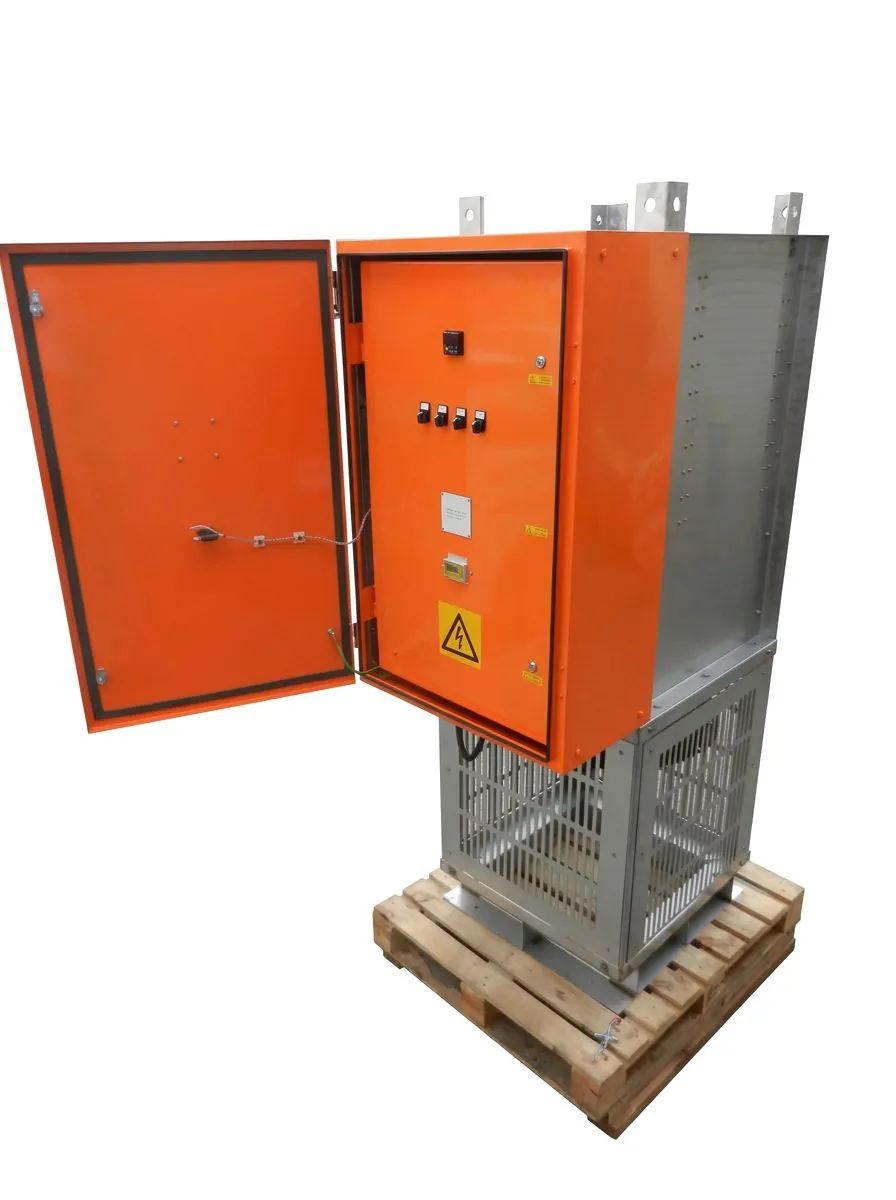
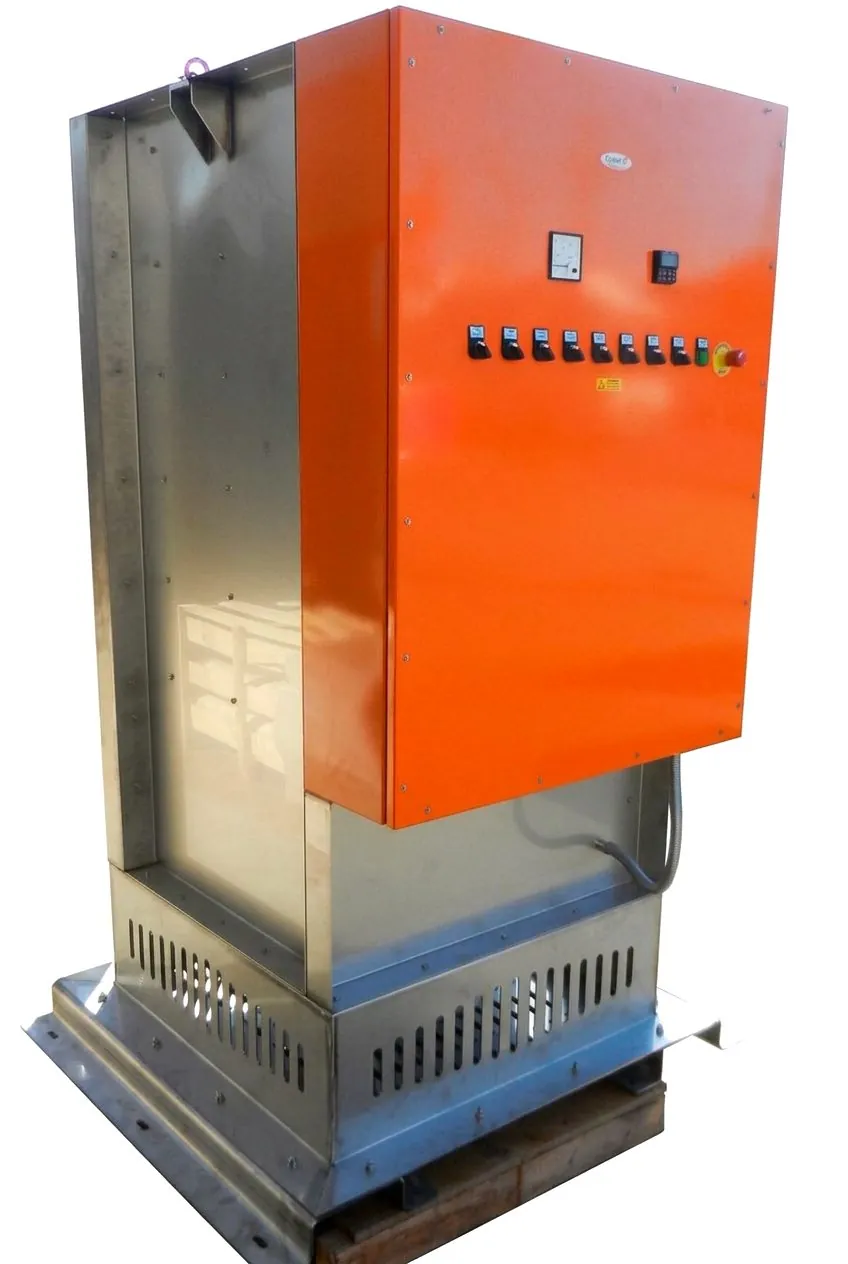
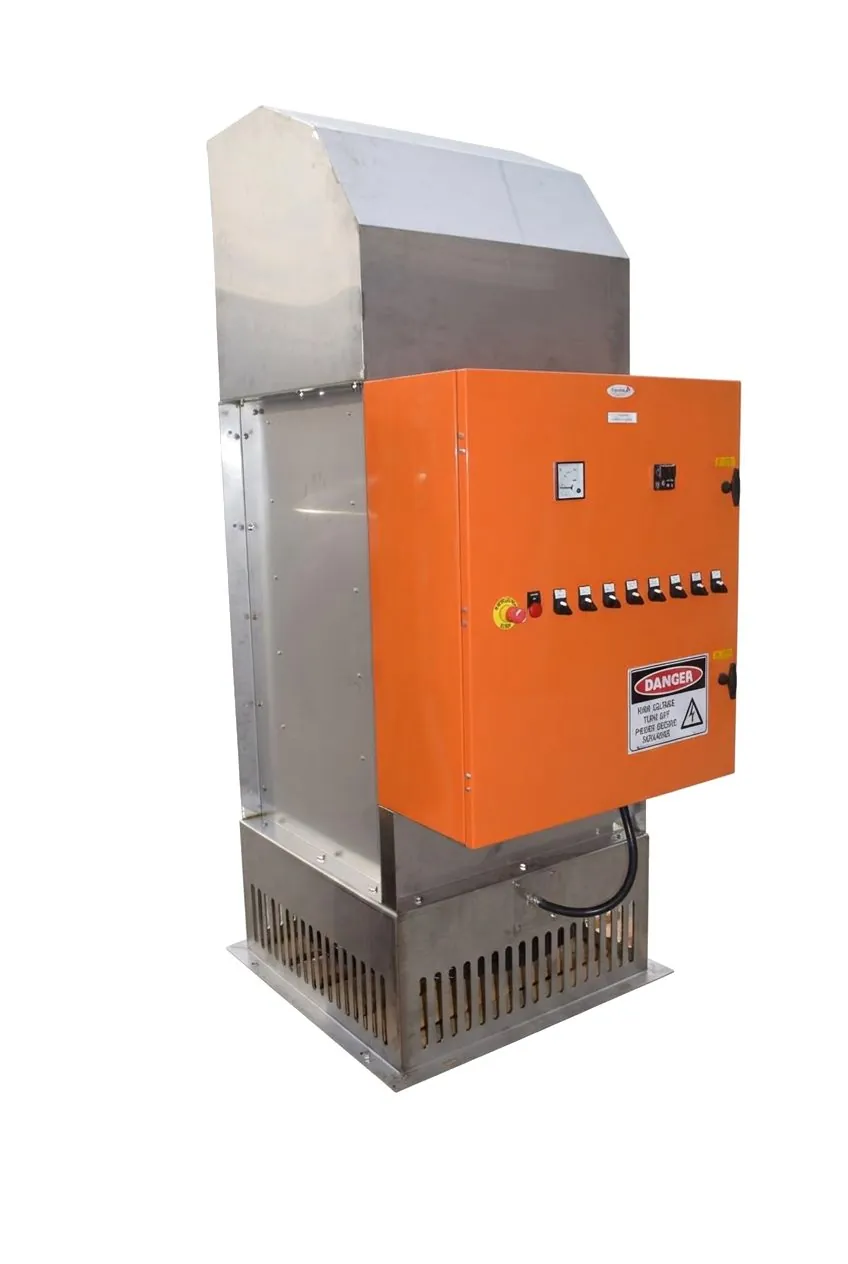
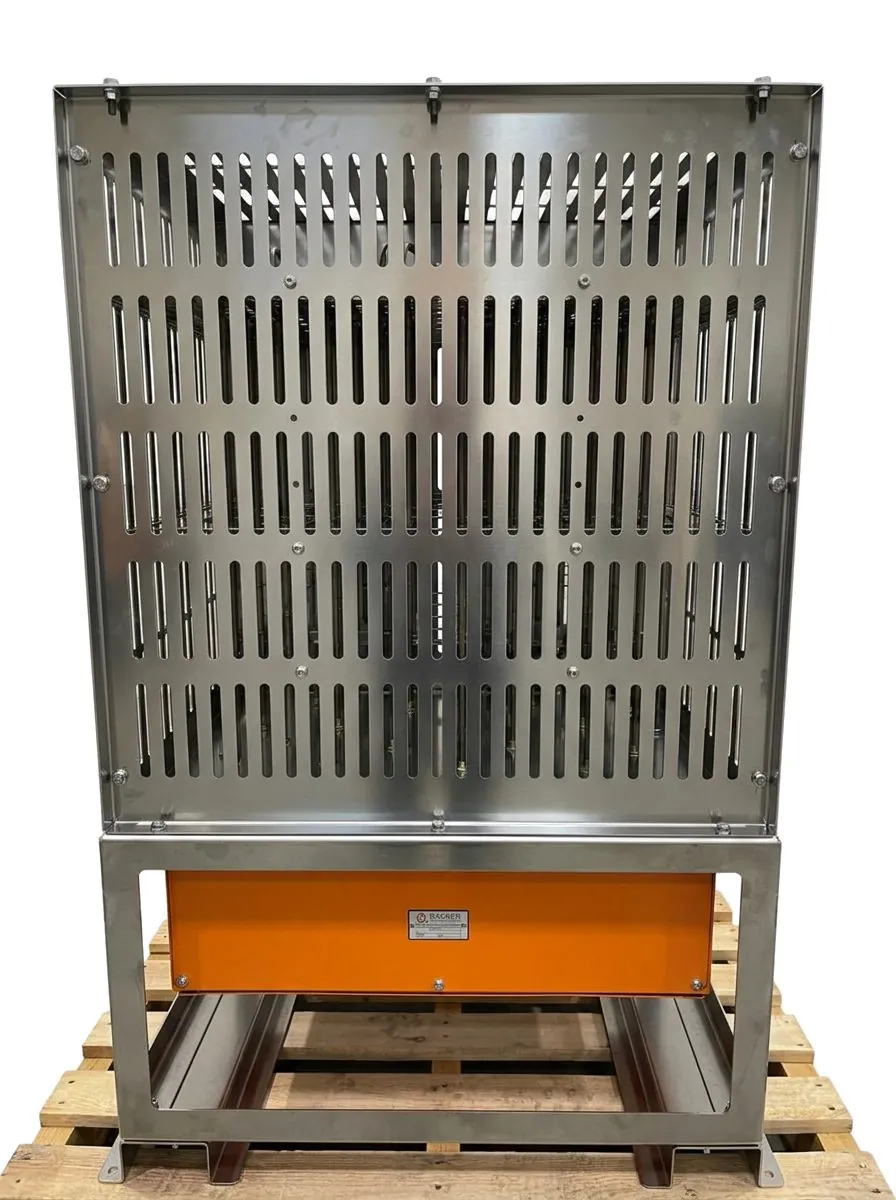
LOAD BANKS
Load Banks
Load banks can be used with a well planned maintenance program to prevent a diesel generator from running under load and wet stacking.
Designed with highly reliable FIREBAR resistors, Incoloy 800 sheath.
The unique flat vertical surface geometry allows air to flow more freely and more air to flow up and across the sheaths surface thus improving heat transfer.
- Manufacturing testing
- Field testing & exercise
- Demonstration
- Wet stacking reduction
- Load rejection test
LOAD BANKS
Load Banks: Protecting Australian Businesses from Power System Failure
In industries where power reliability is critical, there is no room for uncertainty. Whether you're operating a data centre in Sydney, a hospital in Melbourne, a mining operation in Western Australia, or an industrial facility in Queensland, your backup power systems need to perform exactly as designed when called upon.
A Load Bank is one of the most effective tools available for verifying the performance of generators, UPS systems, batteries, and other power infrastructure. By applying a controlled, artificial electrical load, load banks simulate real operating conditions and allow businesses to confirm their equipment can deliver its rated capacity safely and reliably.
For Australian organisations, regular load bank testing is increasingly considered a best practice for risk management, asset protection, and operational continuity.
LOAD BANKS
What is a Load Bank?
A Load Bank is a testing device used to apply a controlled electrical load to a power source without connecting it to the facility's actual equipment.
The load bank absorbs the generated power and safely dissipates it through high-performance resistor or reactive elements. This allows technicians and engineers to evaluate power system performance under realistic operating conditions.
Load banks are commonly used to test:
- Diesel generators
- Gas generators
- UPS systems
- Battery Energy Storage Systems (BESS)
- Renewable energy systems
- Turbine generators
- Marine power systems
- Mining power infrastructure
- Defence and critical services facilities
For Australian businesses, load bank testing provides confidence that essential power systems will perform during utility outages, planned shutdowns, or emergency situations.
LOAD BANKS
Why Load Bank Testing Matters
Many standby generators spend most of their service life waiting for an emergency. While regular start-up testing confirms the generator can run, it does not confirm the generator can carry its full design load.
This is where load bank testing becomes essential.
Verify Generator Performance
A generator that starts successfully may still be incapable of supplying rated power during an outage.
Load bank testing confirms:
- Voltage stability
- Frequency regulation
- Fuel system performance
- Cooling system effectiveness
- Alternator output capacity
This gives facility managers confidence that the system will perform when required.
Prevent Costly Downtime
Unexpected power failures can result in:
- Production losses
- Data loss
- Equipment damage
- Safety risks
- Revenue interruption
Routine testing identifies potential issues before they become expensive failures.
Reduce Diesel Generator Wet Stacking
A common challenge for standby diesel generators is wet stacking, caused by prolonged operation at light loads.
Load bank testing helps:
- Increase combustion temperatures
- Burn off carbon deposits
- Improve fuel efficiency
- Extend engine lifespan
- Reduce ongoing maintenance costs
For generators operating in remote mining locations or critical infrastructure environments, this can significantly improve reliability.
LOAD BANKS
Industries That Use Load Banks in Australia
Mining and Resources
Australia's mining sector relies heavily on standby and prime power generation.
Load banks are regularly used for:
- Generator commissioning
- Mine site maintenance
- Mobile power station testing
- Emergency power validation
Reliable power systems are particularly important in remote locations where utility power is unavailable.
Data Centres
As Australia's digital infrastructure expands, data centres require robust backup power systems.
Load bank testing allows operators to verify:
- Generator performance
- UPS operation
- Switchgear functionality
- Automatic transfer systems
This helps ensure uninterrupted service and compliance with operational requirements.
Healthcare Facilities
Hospitals and healthcare providers depend on emergency power to maintain critical services.
Regular load bank testing provides assurance that backup systems can support:
- Operating theatres
- Intensive care units
- Medical equipment
- Emergency services
Manufacturing and Industrial Facilities
Production downtime can have significant financial consequences.
Load banks help manufacturers validate emergency power systems before they are needed, reducing operational risk and improving business continuity.
Utilities and Renewable Energy
The growth of renewable energy and battery storage systems across Australia has increased demand for power system testing solutions.
Load banks are commonly used for:
- Battery discharge testing
- Solar farm commissioning
- Grid support projects
- Energy storage validation
LOAD BANKS
Types of Load Banks
Different applications require different testing approaches.
Resistive Load Banks
Resistive load banks simulate loads such as:
- Electric heaters
- Lighting systems
- General electrical equipment
They are widely used for generator load testing and commissioning.
Reactive Load Banks
Reactive load banks simulate inductive loads found in:
- Motors
- Pumps
- Compressors
- HVAC systems
These tests provide a more realistic representation of actual operating conditions.
Resistive-Reactive Load Banks
For comprehensive testing, many facilities use combined resistive-reactive load banks.
Benefits include:
- Real-world power factor simulation
- Comprehensive system validation
- Improved commissioning accuracy
- Greater confidence in performance outcomes
DC Load Banks
DC load banks are used for:
- Battery systems
- Battery Energy Storage Systems (BESS)
- Fuel cells
- Telecommunications infrastructure
These systems are increasingly important as Australia's energy sector continues to evolve.
LOAD BANKS
Key Features to Consider When Purchasing a Load Bank
Choosing the right load bank depends on the application, power source, and operating environment.
Load Capacity
The load bank should be sized to test equipment at its intended operating capacity.
Applications range from:
- Portable units under 100 kW
- Commercial systems up to 2 MW
- Utility-scale load banks exceeding 10 MW
Australian Conditions
Australia's harsh operating environments demand robust equipment.
Important considerations include:
- High ambient temperatures
- Dust protection
- Corrosion resistance
- Outdoor weatherproof construction
This is particularly important for mining, rail, marine, and industrial applications.
Advanced Controls and Monitoring
Modern load banks often provide:
- Digital control systems
- Remote operation capability
- Data logging
- PLC integration
- SCADA compatibility
- Automated testing sequences
These features improve both operational efficiency and reporting accuracy.
LOAD BANKS
The Benefits of Working with an Australian Manufacturer
When sourcing load banks, many organisations prefer working with Australian manufacturers and engineering teams.
Advantages include:
- Local engineering support
- Faster lead times
- Compliance with Australian standards
- Easier servicing and maintenance
- Custom-designed solutions
- Local spare parts availability
For critical infrastructure projects, having access to local technical expertise can provide significant long-term value.
LOAD BANKS
Why Regular Load Bank Testing Should Be Part of Your Maintenance Strategy
A well-planned preventative maintenance program helps reduce operational risk and maximise equipment life.
Regular load bank testing can help:
- Improve generator reliability
- Extend equipment lifespan
- Reduce emergency repair costs
- Identify hidden faults
- Meet maintenance requirements
- Increase operational confidence
For businesses that rely on continuous power availability, these benefits often far outweigh the cost of testing.
LOAD BANKS
Related Solutions
Businesses interested in load bank testing may also benefit from:
- Neutral Earthing Resistors (NERs)
- Dynamic Braking Resistors
- Harmonic Filtering Solutions
- Industrial Resistance Products
- Generator Commissioning Services
- Battery Testing Systems
LOAD BANKS
Why Choose Backer Cynebar Ohmic?
Backer Cynebar Ohmic is an Australian manufacturer based in Brisbane, Queensland, specialising in electrical resistance technologies for industrial, mining, rail, utilities, renewable energy, and critical infrastructure sectors.
As part of the global Backer Group, we combine local engineering expertise with international manufacturing capability to deliver reliable, high-performance load bank solutions tailored to Australian operating conditions.
Our team can assist with:
- Load bank design and manufacture
- Generator testing solutions
- Custom resistor assemblies
- Neutral Earthing Resistors
- Dynamic Braking Resistors
- Technical support and engineering consultation
Interested in load banks?
Tell us about your application and our engineers will find the right solution.