
Power Resistors
Neutral Earthing Resistor
One of the most common mistakes buyers make is requesting a quote without providing complete technical information. Manufacturers use the following details to design and size the resistor correctly.
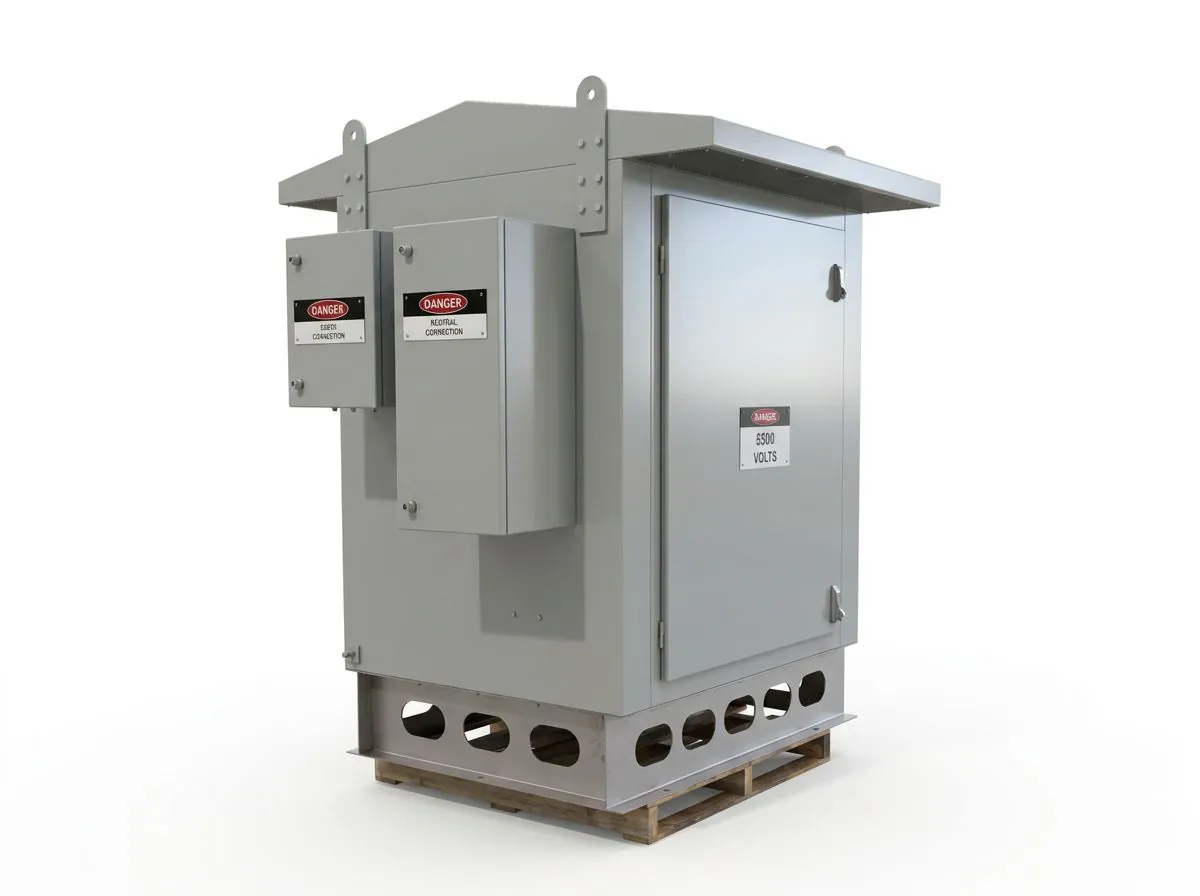
NEUTRAL EARTHING RESISTOR
Neutral Earthing Resistors
The system voltage is the starting point for every NER design.
Typical system voltages include:
- 3.3 kV
- 6.6 kV
- 11 kV
- 22 kV
- 33 kV
The resistor is designed for the phase-to-neutral voltage rather than the line-to-line voltage.
Specify the maximum earth fault current that the NER must limit.
The selected current must satisfy both equipment protection requirements and protection relay coordination.
Most neutral earthing resistors are rated for:
A 10-second rating is widely used because it provides sufficient time for fault detection and clearing while maintaining a practical resistor size.
Many NERs are intended only for intermittent fault conditions. If the resistor must carry current continuously, this must be specified during the quotation stage. Continuous current requirements typically affect resistor size, material selection, and pricing.
Resistance is usually determined from:
- System voltage
- Desired ground fault current
The resistance value directly controls fault current magnitude and protection performance.
Environmental conditions play a major role in NER design.
The most frequently specified ingress protection ratings are:
Suitable for many indoor and sheltered outdoor installations where ventilation is required.
Provides increased protection against dust and water ingress for harsher outdoor environments.
When requesting a quote, clearly indicate whether the installation will be:
- Indoor
- Outdoor
- Coastal
- Mining
- Industrial processing environment
Most industrial customers specify:
- 304 Stainless Steel
- 2 mm thick construction
For corrosive environments, 316 stainless steel may also be considered. Stainless steel enclosures provide excellent durability and corrosion resistance.
Manufacturers often offer custom powder-coated finishes.
Common requests include:
- Light Grey RAL 7035
- Signal Grey RAL 7004
- Custom site-specific colour
Including the preferred colour in the RFQ helps avoid delays and variation costs.
Usually around 45-50°C.
Consider to specify a sunshield for outdoor particularly where equipment is installed in direct sunlight. Australia's high solar radiation and ambient temperatures can significantly increase internal enclosure temperatures beyond the nominal ambient design temperature.
Interested in neutral earthing resistor?
Tell us about your application and our engineers will find the right solution.