
Heating Elements
Cartridge Heaters
Precision engineering allows more power per square meter then any other metal-sheathed element. Used in accurately reamed holes, efficient energy conduction into the work piece ensures optimum heat transfer, fastest heat recovery and reliability in adverse operating conditions. Special lead configurations offer greater flexibility, strength & protection against vibration, movement and contaminants.
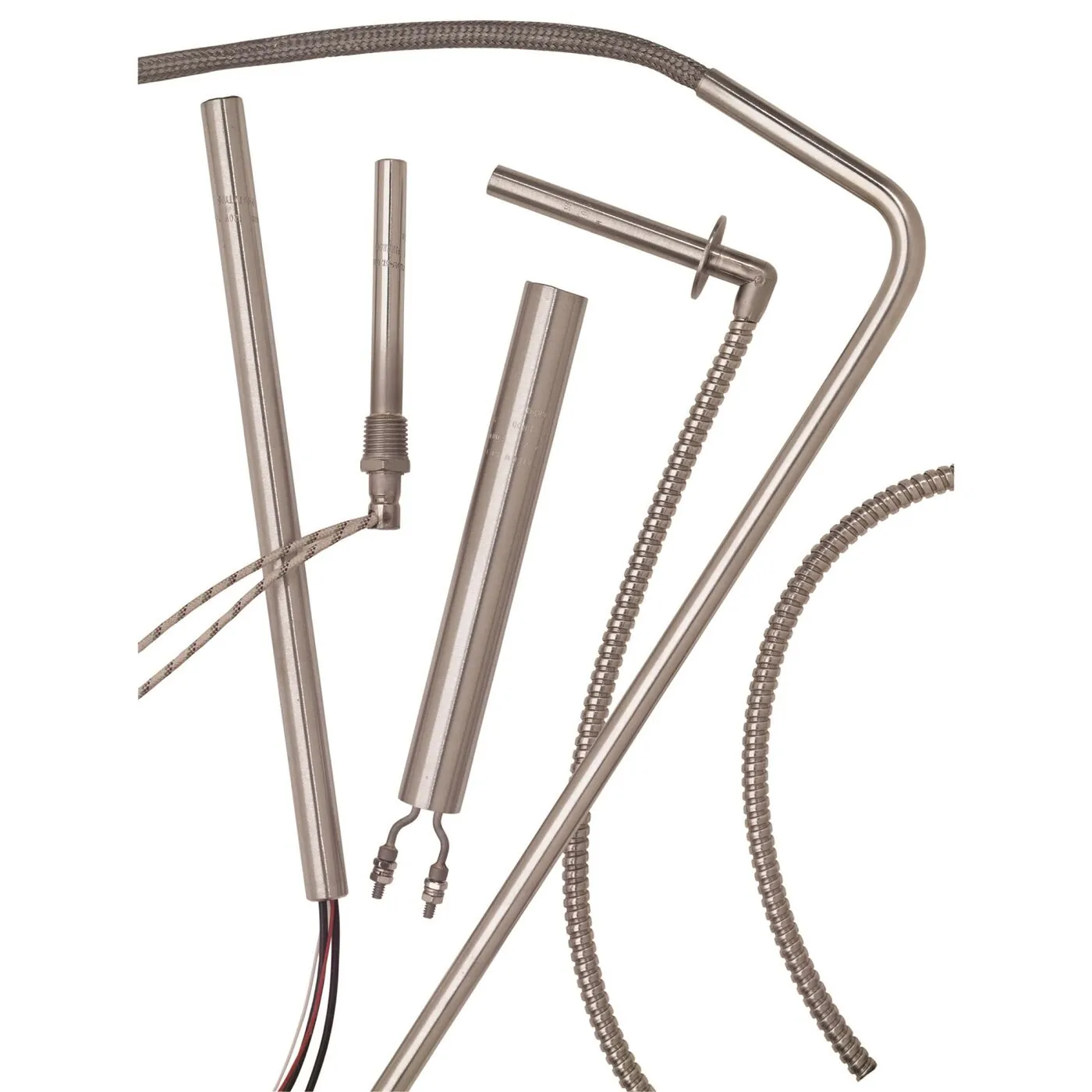
CARTRIDGE HEATERS
Cartridge Heater Sizing & Watt Density Guide
How to Select the Right Cartridge Heater for Maximum Performance and Service Life
Choosing the correct Cartridge Heater is critical for achieving reliable temperature control, fast heat-up times, energy efficiency, and long heater life. While total wattage is important, experienced engineers understand that factors such as watt density, temperature control, heat transfer, and application design often have a greater impact on cartridge heater performance than heater power alone.
At Backer Cynebar Ohmic, we help engineers, OEMs, and maintenance teams specify cartridge heaters that deliver optimum performance while minimising downtime and replacement costs.
CARTRIDGE HEATERS
What is Watt Density?
Watt density is the amount of power generated per unit surface area of the heater and is typically expressed in:
Watts per Square Inch (W/in²)
Watt density directly affects:
- Heat-up time
- Heater operating temperature
- Thermal efficiency
- Heater lifespan
- Process stability
Higher watt densities generate more heat in a smaller space, but excessive watt density can significantly reduce heater life if the application cannot efficiently dissipate the heat.
CARTRIDGE HEATERS
Why Watt Density Matters
Selecting the correct watt density helps:
- Extend heater life
- Improve reliability
- Reduce overheating
- Improve temperature uniformity
- Lower maintenance costs
- Maximise production uptime
When cartridge heaters operate above their recommended internal temperature limits, insulation breakdown, lead wire damage, and premature failure can occur. Overheating is one of the primary causes of cartridge heater failure.
CARTRIDGE HEATERS
Recommended Watt Density Guide
Low Watt Density Cartridge Heaters
Up to 25 W/in²
Ideal for:
- Plastics processing
- Rubber heating
- Temperature-sensitive materials
- Continuous operation
- Applications with poor heat transfer
Benefits
- Maximum heater life
- Lower sheath temperatures
- Improved reliability
- Reduced thermal stress
CARTRIDGE HEATERS
Medium Watt Density Cartridge Heaters
25-75 W/in²
Ideal for:
- Packaging equipment
- Food processing machinery
- Aluminium platens
- General industrial heating
Benefits
- Excellent balance of performance and longevity
- Moderate heat-up times
- Stable operating temperatures
CARTRIDGE HEATERS
High Watt Density Cartridge Heaters
75-150 W/in²
Ideal for:
- Injection moulding machines
- Extrusion dies
- Sealing bars
- Industrial tooling
- Production equipment
Benefits
- Fast heat-up times
- High thermal output
- Compact heater design
Recommended when:
- Heat transfer is efficient
- Accurate temperature control is installed
- Process temperatures are closely monitored
CARTRIDGE HEATERS
Very High Watt Density Cartridge Heaters
150-250+ W/in²
Ideal for:
- Hot runner systems
- Semiconductor equipment
- Aerospace applications
- High-performance tooling
These applications require careful engineering to ensure heat is transferred efficiently from the heater into the surrounding material. Poor system design or insufficient heat dissipation can dramatically increase internal heater temperatures.
CARTRIDGE HEATERS
Cartridge Heater Watt Density Selection Chart
Application: Recommended Watt Density
- Plastics Processing: 20-60 W/in²
- Packaging Equipment: 30-75 W/in²
- Food Processing Equipment: 20-60 W/in²
- Aluminium Platens: 40-100 W/in²
- Steel Tooling & Dies: 50-120 W/in²
- Medical Equipment: 20-80 W/in²
- Semiconductor Equipment: 50-150 W/in²
- Hot Runner Systems: 100-250 W/in²
CARTRIDGE HEATERS
How to Calculate Cartridge Heater Power
Heater Power Formula
Power (W) = Mass × Specific Heat × Temperature Rise ÷ Heat-Up Time
Where:
- Mass = kg
- Specific Heat = J/kg°C
- Temperature Rise = °C
- Heat-Up Time = Seconds
When sizing industrial cartridge heaters, engineers should also account for:
- Heat losses
- Ambient temperature
- Duty cycle
- Operating environment
- Controller type
- System efficiency
Backer Cynebar Ohmic can perform detailed thermal calculations to determine the optimum heater configuration for your application.
CARTRIDGE HEATERS
Temperature Control & Sensor Placement
Effective temperature control is one of the most important factors in achieving consistent heating performance and maximising cartridge heater life.
Poor temperature sensing can result in:
- Excessive heater temperatures
- Uneven heat distribution
- Reduced process consistency
- Premature heater failure
- Increased energy consumption
For critical applications, the temperature sensor should be positioned to accurately monitor the hottest section of the heated component rather than cooler edge locations that may not reflect true operating conditions.
Recommended Control Options
Backer Cynebar Ohmic cartridge heaters can be supplied with:
- Thermocouples
- RTDs
- Integrated thermocouples
- Digital temperature controllers
- SCR power controllers
- PLC integration
- SCADA integration
Accurate temperature control helps maintain stable process conditions while protecting the heater from overheating.
CARTRIDGE HEATERS
Selecting the Right Cartridge Heater
Choosing the correct cartridge heater involves more than selecting a diameter and wattage.
Operating Temperature
Higher operating temperatures may require specialised sheath materials, high-temperature lead wires, and specific insulation systems to ensure long service life.
Heat-Up Time Requirements
Fast heat-up may require higher watt densities, while applications prioritising reliability and longevity often benefit from more conservative heater loading.
Heated Material
The thermal conductivity of the heated component significantly affects heater performance.
Materials such as:
- Aluminium
- Brass
- Copper
typically transfer heat more effectively than carbon steel or stainless steel, influencing the recommended heater design and watt density.
Duty Cycle
Applications operating continuously often benefit from lower watt density designs compared with intermittent-duty equipment.
Environmental Conditions
Factors such as moisture, contamination, vibration, corrosive chemicals, and ambient temperature should be considered during heater selection.
CARTRIDGE HEATERS
Example Cartridge Heater Sizing
Application
Heat Sealing Bar
- Material: Carbon Steel
- Length: 300 mm
- Width: 50 mm
- Thickness: 25 mm
- Process Temperature: 220°C
- Ambient Temperature: 20°C
- Heat-Up Time: 15 Minutes
Recommended Heater Configuration
- 2 × Cartridge Heaters
- Diameter: 12.5 mm
- Heated Length: 250 mm
- Power: 500 W each
- Total Installed Power: 1 kW
- Watt Density: Approximately 35-50 W/in²
This configuration provides reliable heat-up performance while maintaining conservative operating temperatures for maximum heater life.
CARTRIDGE HEATERS
Maximising Cartridge Heater Life
To achieve the longest possible service life from a cartridge heater:
Select the Correct Watt Density
Overspecified watt density remains one of the most common causes of overheating and premature heater failure.
Use Accurate Temperature Control
Proper sensor placement and suitable control systems help prevent excessive operating temperatures and improve temperature stability.
Protect Against Contamination
Moisture, oils, plastics, cleaning solutions, and process contaminants can negatively affect heater performance and reliability.
Protect Lead Wires
High-temperature lead wire options, strain relief systems, and mechanical protection can significantly improve reliability in demanding industrial environments.
Maintain Equipment Regularly
Periodic inspection of heaters, sensors, wiring, and electrical connections helps identify issues before they affect production.
CARTRIDGE HEATERS
Common Causes of Cartridge Heater Failure
Most premature cartridge heater failures can be traced to a small number of issues.
Over-Temperature Operation
Excessive internal temperatures accelerate insulation degradation and shorten heater life. Operation above recommended temperature limits can dramatically reduce service life.
Contamination
Moisture, oils, solvents, plastics, and process contaminants can damage internal insulation materials and electrical components.
Corrosion
Aggressive operating environments can attack heater sheath materials if incorrect materials are selected.
Lead Wire Damage
High temperatures, flexing, vibration, or mechanical damage can lead to insulation failure and short circuits.
CARTRIDGE HEATERS
Why Choose Backer Cynebar Ohmic Cartridge Heaters?
Backer Cynebar Ohmic supplies cartridge heaters engineered for demanding industrial applications throughout Australia.
Our Capabilities Include:
- Custom cartridge heater design
- High-density cartridge heaters
- Multi-zone cartridge heaters
- Internal thermocouple options
- Special sheath materials
- OEM heater development
- Replacement heater cross-referencing
- Temperature control integration
With local engineering support and custom manufacturing capability, we help customers maximise process performance while reducing equipment downtime.
CARTRIDGE HEATERS
Need Help Sizing a Cartridge Heater?
Our engineering team can assist with:
- Cartridge heater selection
- Watt density calculations
- Thermal modelling
- Heater layout optimisation
- Voltage and power calculations
- Temperature control recommendations
- OEM product development
- Replacement heater identification
Contact Backer Cynebar Ohmic today for expert assistance with cartridge heater sizing and specification. We'll help you select the most reliable and cost-effective heating solution for your application.
FAQ
Frequently asked questions
Interested in cartridge heaters?
Tell us about your application and our engineers will find the right solution.