
Information & News
Screw Plug Heaters and Control Panels Made in Brisbane
by JN ·
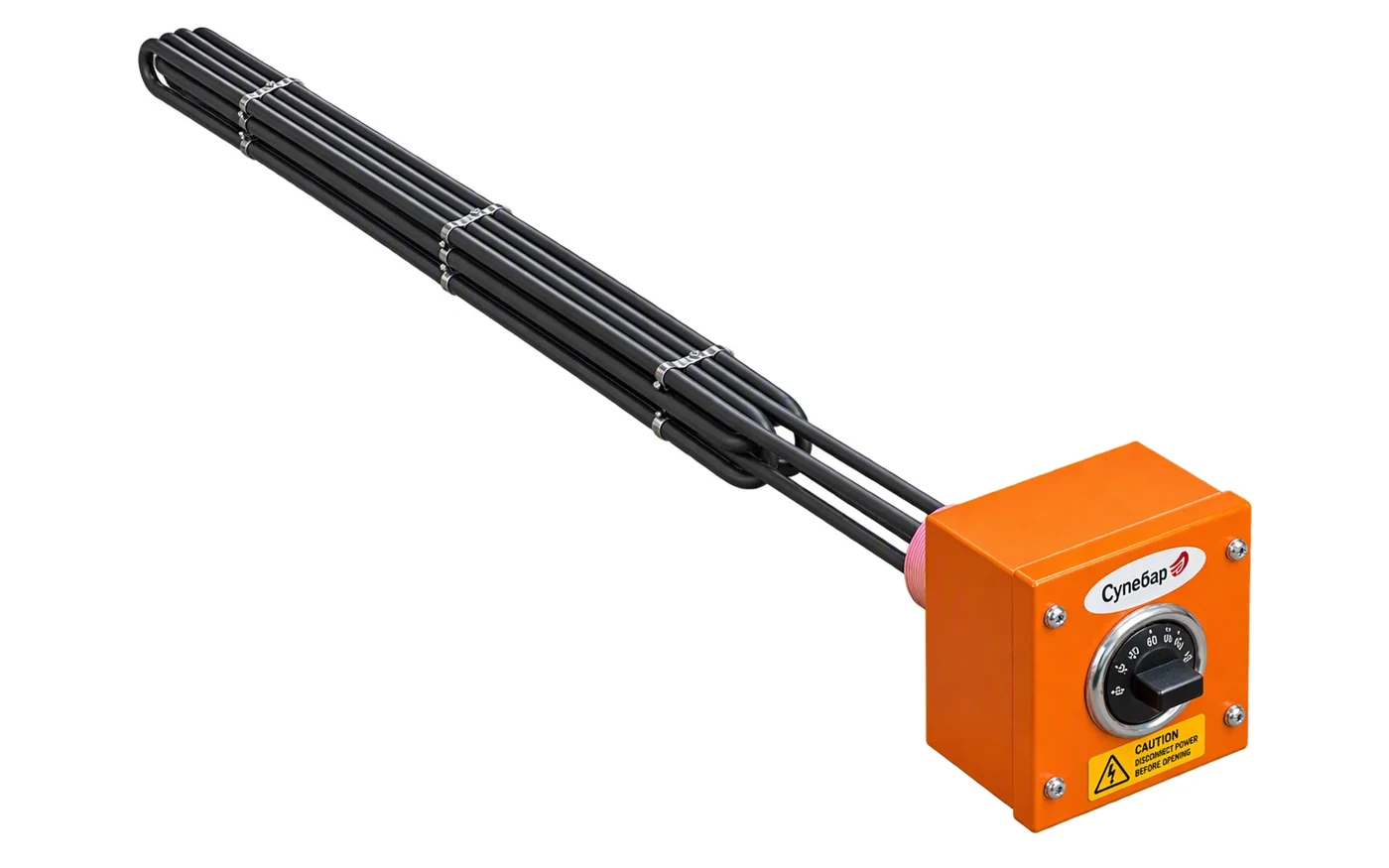
Backer Cynebar Ohmic has made and tested four screw plug heaters and four temperature control panels at our Brisbane factory. This production update brings together two important parts of an industrial heating system: the elements that deliver heat and the controls that manage it.
For anyone planning tank heating or replacing an existing immersion heater, the useful question is not simply “How much power do I need?” It is whether the heater, liquid, vessel and controls are suited to one another. Here are the details worth discussing before you order.
How screw plug heaters heat industrial liquids
A screw plug immersion heater mounts through a threaded vessel connection, with its heating elements immersed in the liquid. Heat transfers directly from the element sheath into the surrounding fluid. Depending on the selected materials and design, these heaters can serve applications involving water, oils and heat-transfer solutions.
Selecting the right screw plug heater means matching the element sheath and threaded connection to the liquid and vessel. Operating temperature, corrosion resistance and space inside the tank all matter. These details should be checked against the particular process before manufacture.
Four temperature control panels, built locally
The four panels made and tested in Brisbane are pictured below. A temperature control panel is part of the wider heating system: it receives temperature information and manages heater operation according to the chosen control arrangement. Appropriate sensors, switching equipment and protective devices depend on the duty and installation.
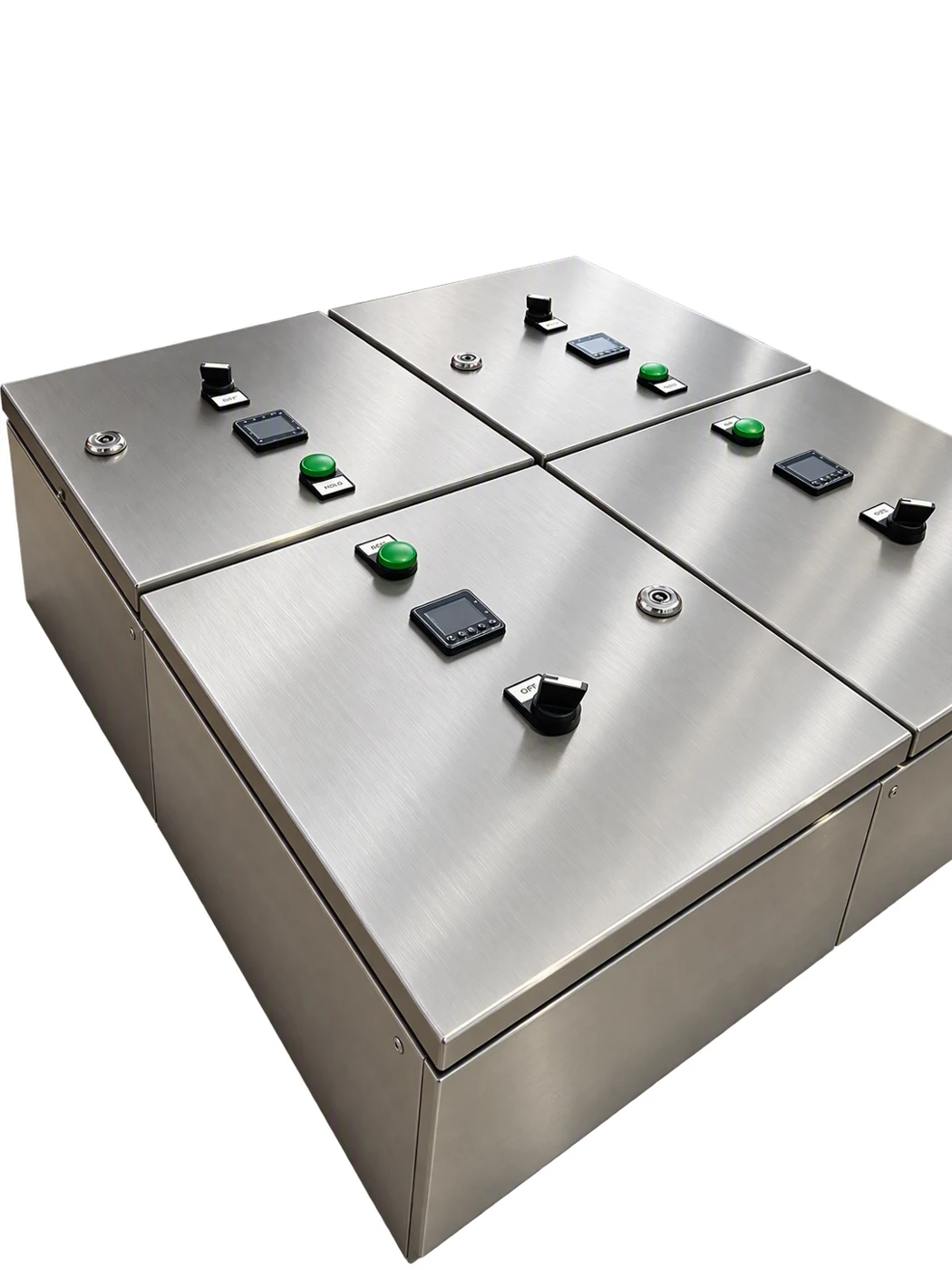
Specify the heater and its controls together rather than leaving panel selection until the end of the project. For a new installation or replacement, consider the operating temperature, available power supply and how the system will respond if the temperature rises beyond its intended range.
What to check before specifying an immersion heater
Start with the liquid and heating duty
Tell the engineer what you are heating, the liquid volume, starting and target temperatures, and required warm-up time. Include insulation, circulation and operating conditions. These details inform the required heating power and suitable sheath material.
Check fit and surface loading
Confirm the vessel thread, available insertion length and access for removal. Ask about watt density—the power delivered per unit of element surface area. The right value depends on the fluid and duty; choosing solely by total kilowatts can overlook local overheating or fouling risks.
Plan controls and protection
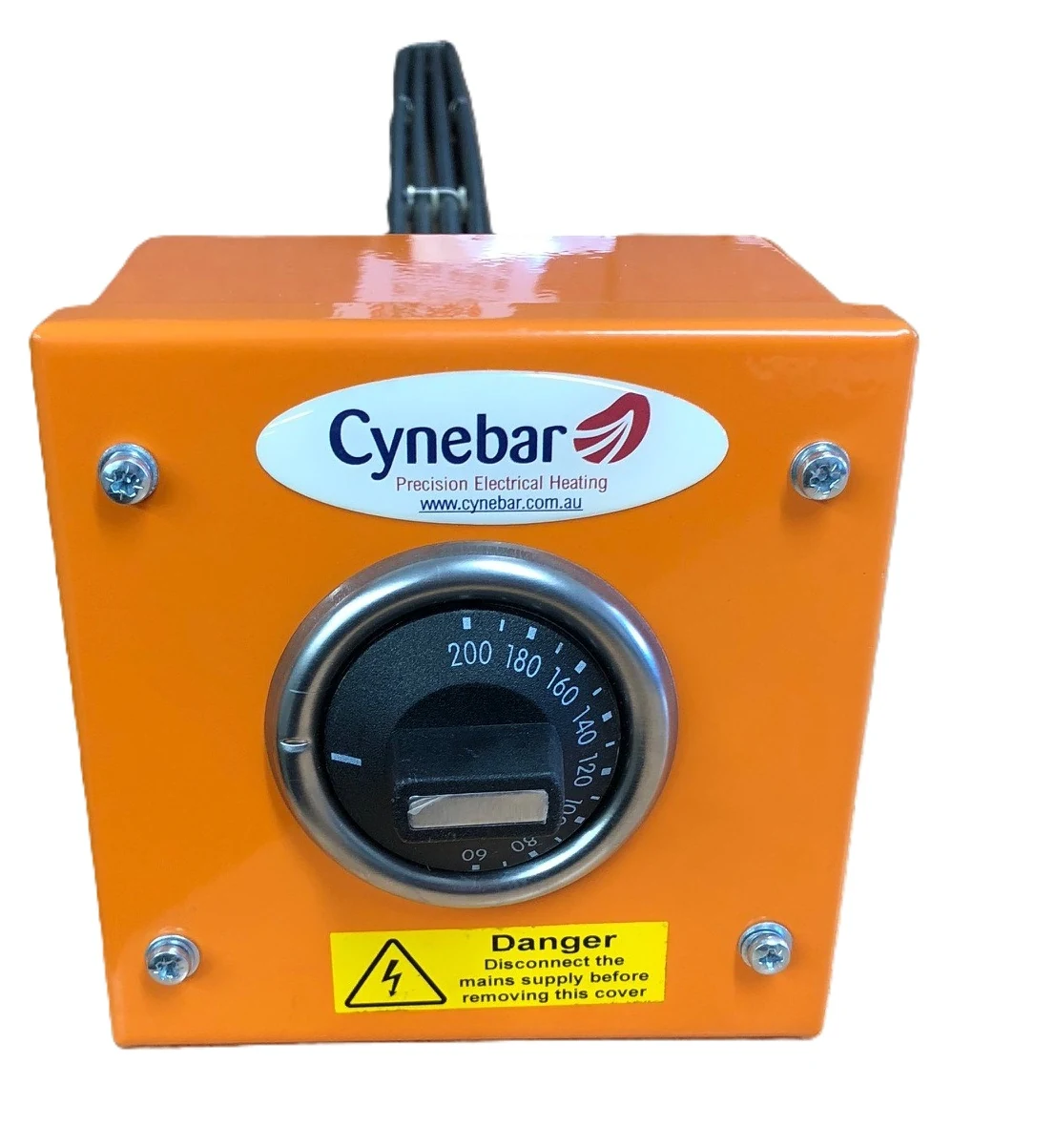
Confirm supply voltage and phase, sensor location and the required control behaviour. Keep the active heating length immersed during operation and discuss low-liquid-level and independent over-temperature protection. Have electrical installation and commissioning carried out by appropriately licensed personnel.
Electrical work should be planned with safe isolation in mind. Equipment should be de-energised and verified safe by appropriately licensed personnel before electrical maintenance or servicing.
Talk to our Brisbane team
Need screw plug heaters or temperature control panels for your next project? Discuss your requirements with the Backer Cynebar Ohmic team in Brisbane. Have your liquid, temperatures, vessel dimensions and power supply details ready so we can help you work through product selection and the questions that matter before manufacture.