
Temperature Controls
Solid State Relay
In modern industrial heating systems, reliable power control is just as important as the heating element itself. Whether you're operating a circulation heater, tubular heater, immersion heater, radiant heater, oven, furnace, or process heater, the way power is switched to the load has a direct impact on temperature stability, heater lifespan, maintenance costs, and overall process efficiency. A Solid State Relay (SSR) has become the preferred switching solution for many industrial heating applications because it provides fast, precise, and reliable control without the drawbacks associated with traditional mechanical contactors. Unlike electromechanical switching devices that rely on moving contacts, SSRs use semiconductor technology to switch electrical loads cleanly and consistently. The result is smoother temperature control, reduced thermal stress on heating elements, lower maintenance requirements, and improved process performance. Industry testing demonstrated that faster switching technologies significantly reduce thermal excursion and can dramatically improve heater life compared to conventional switching methods.
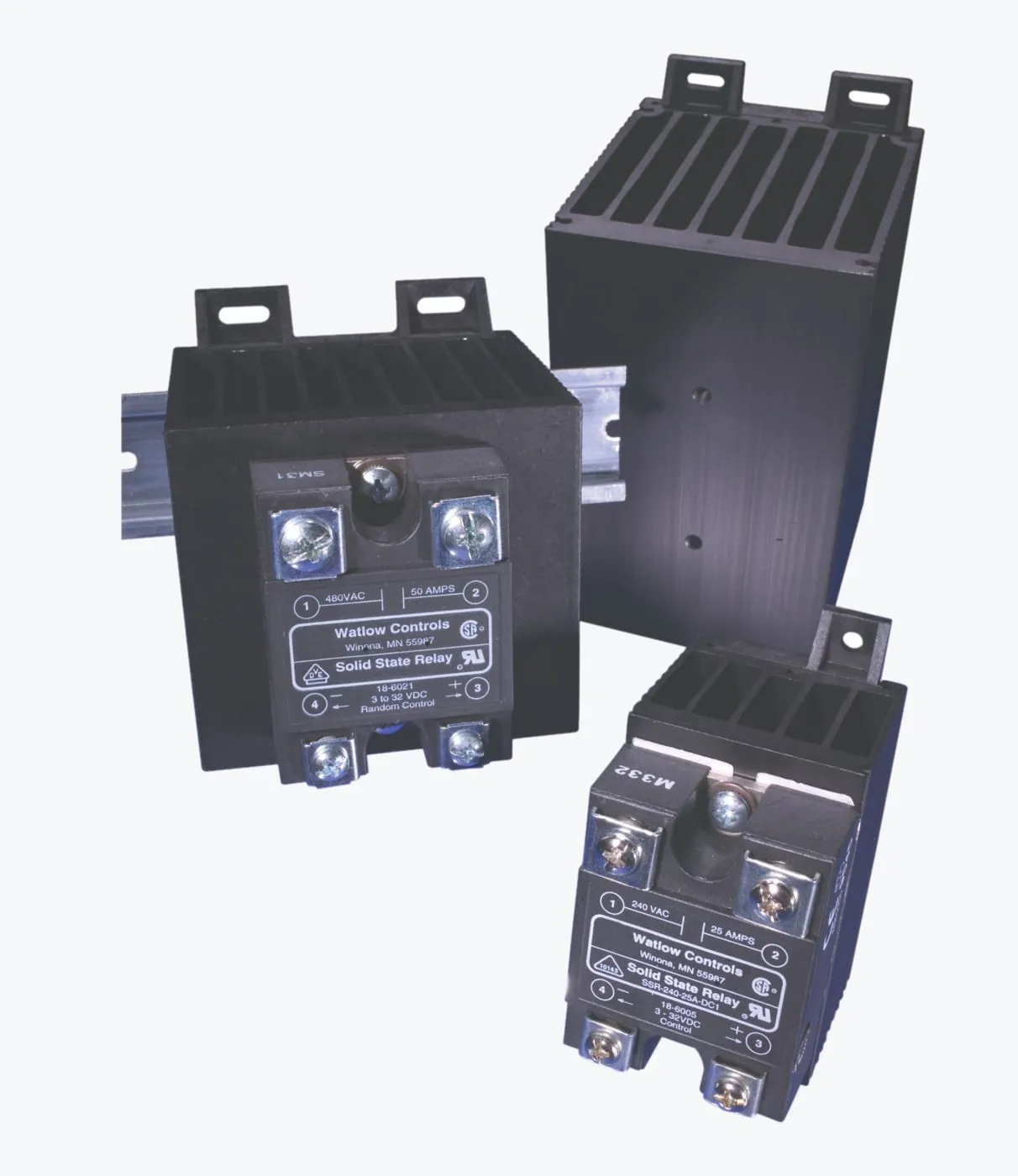
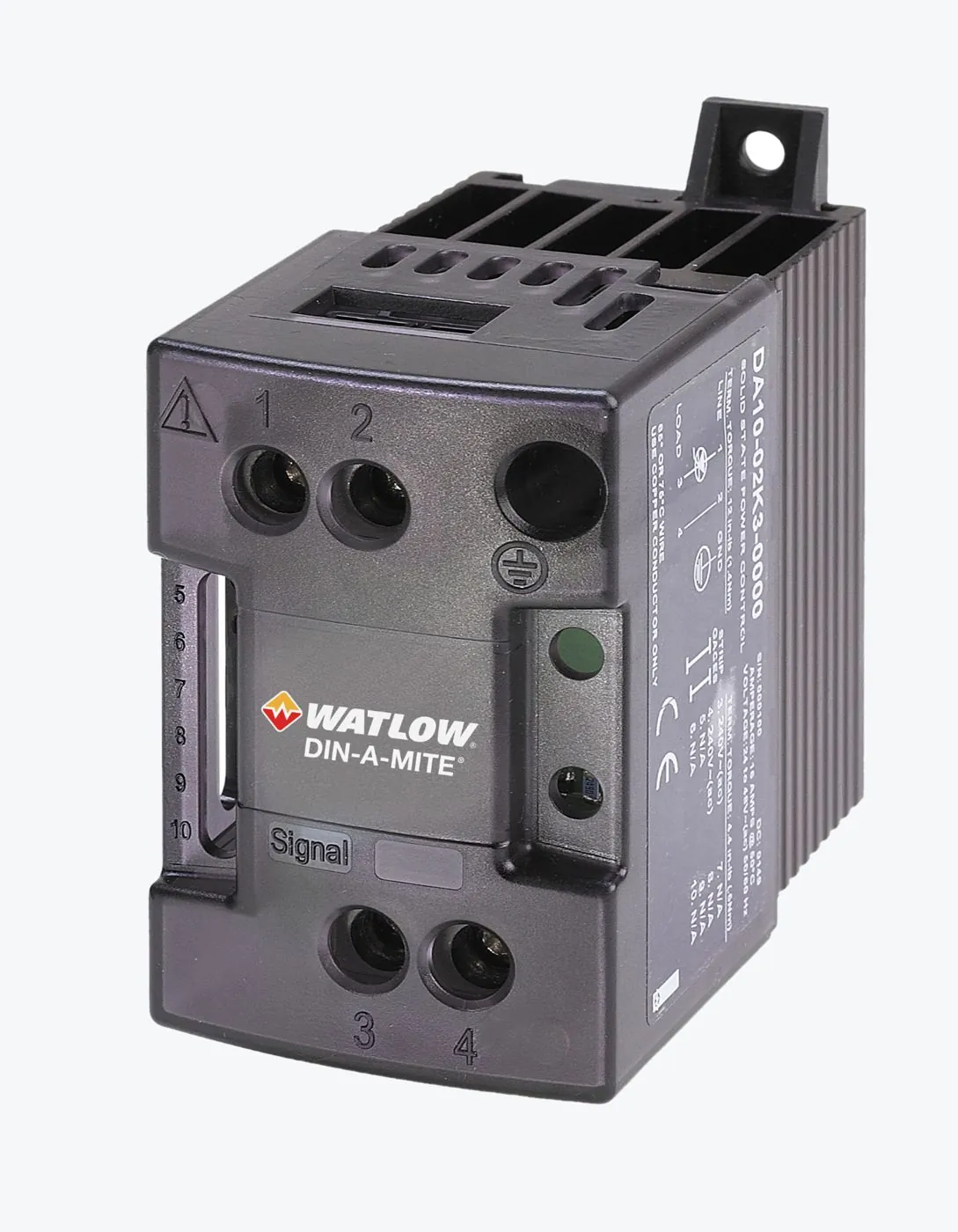
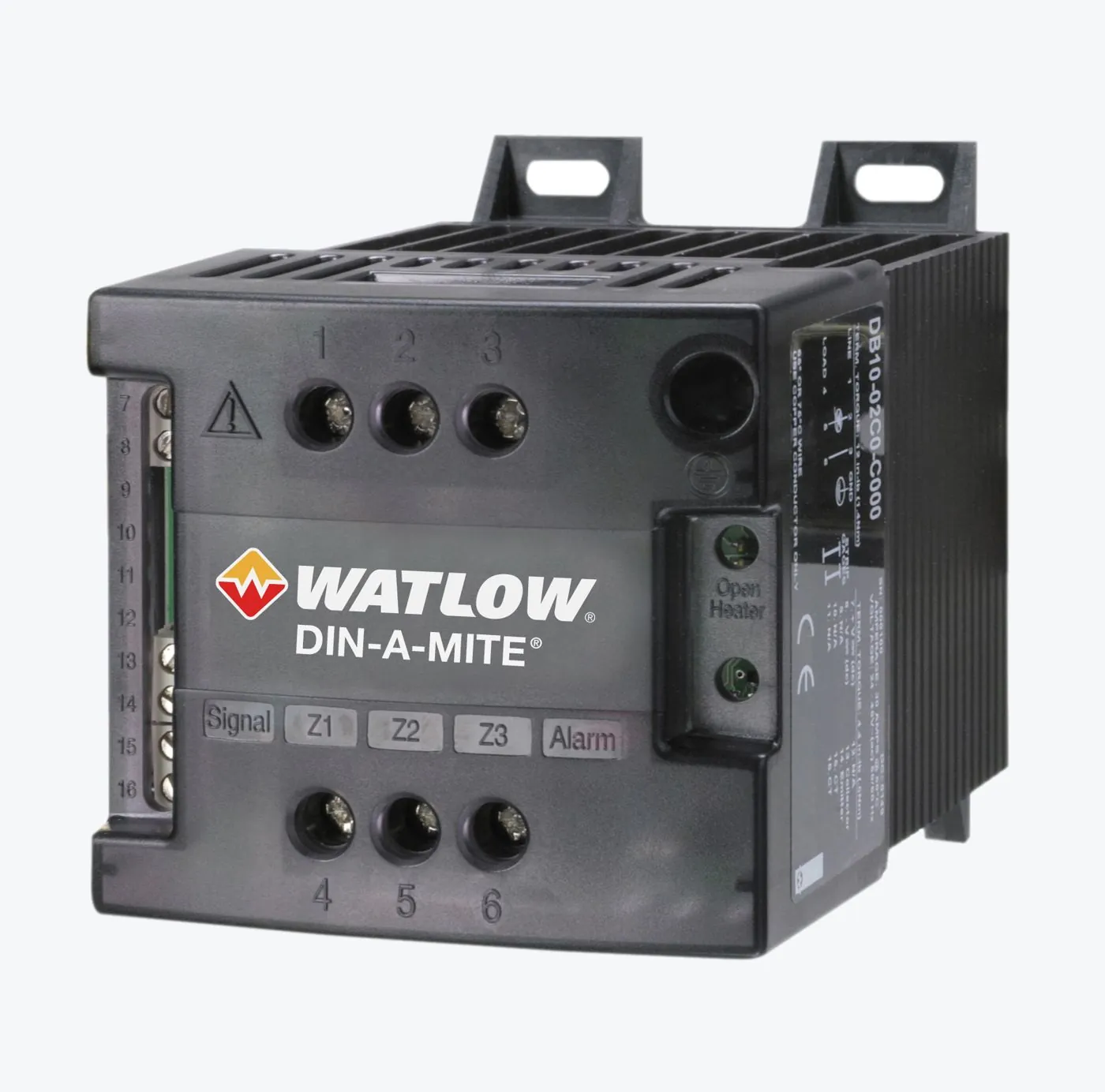
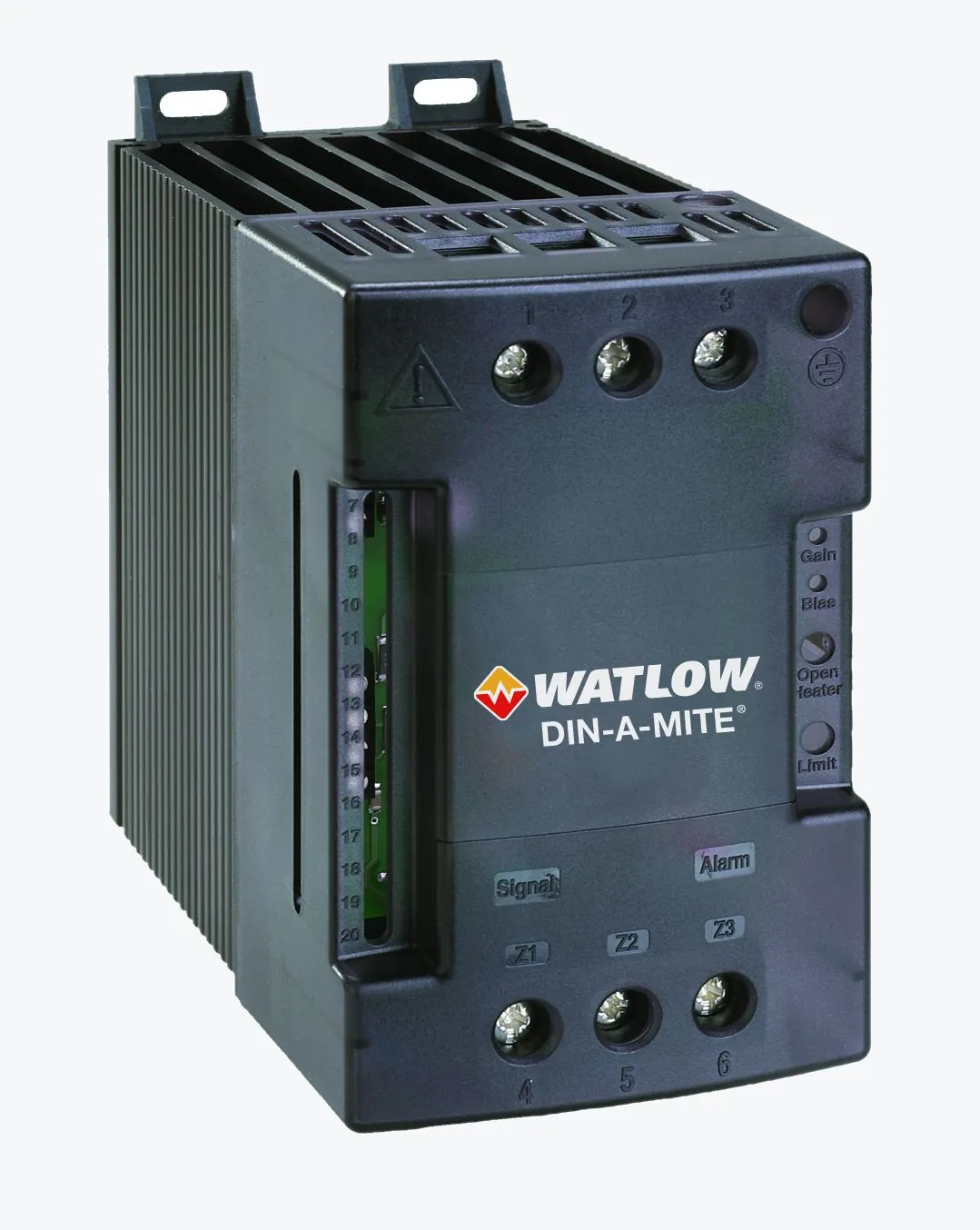
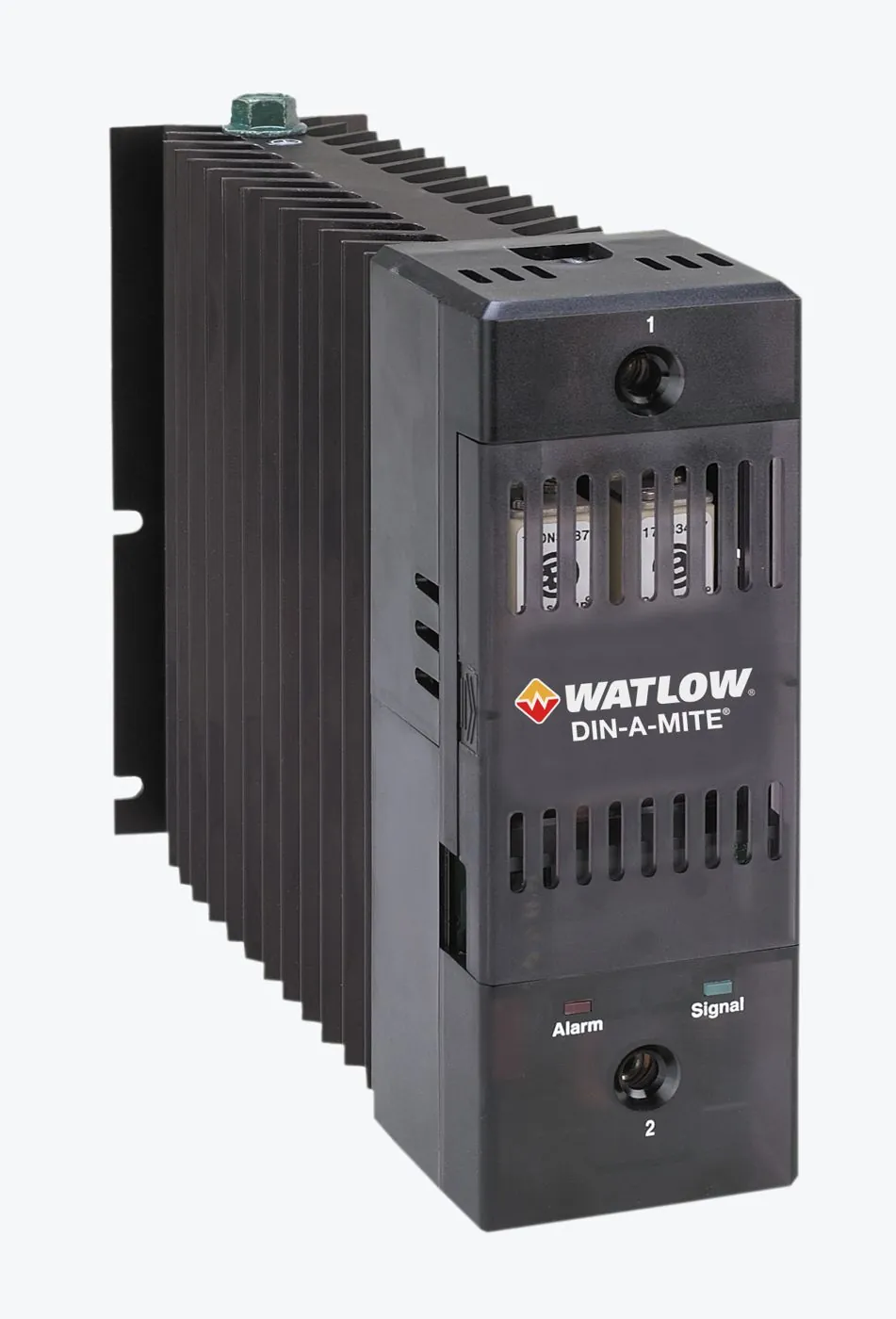
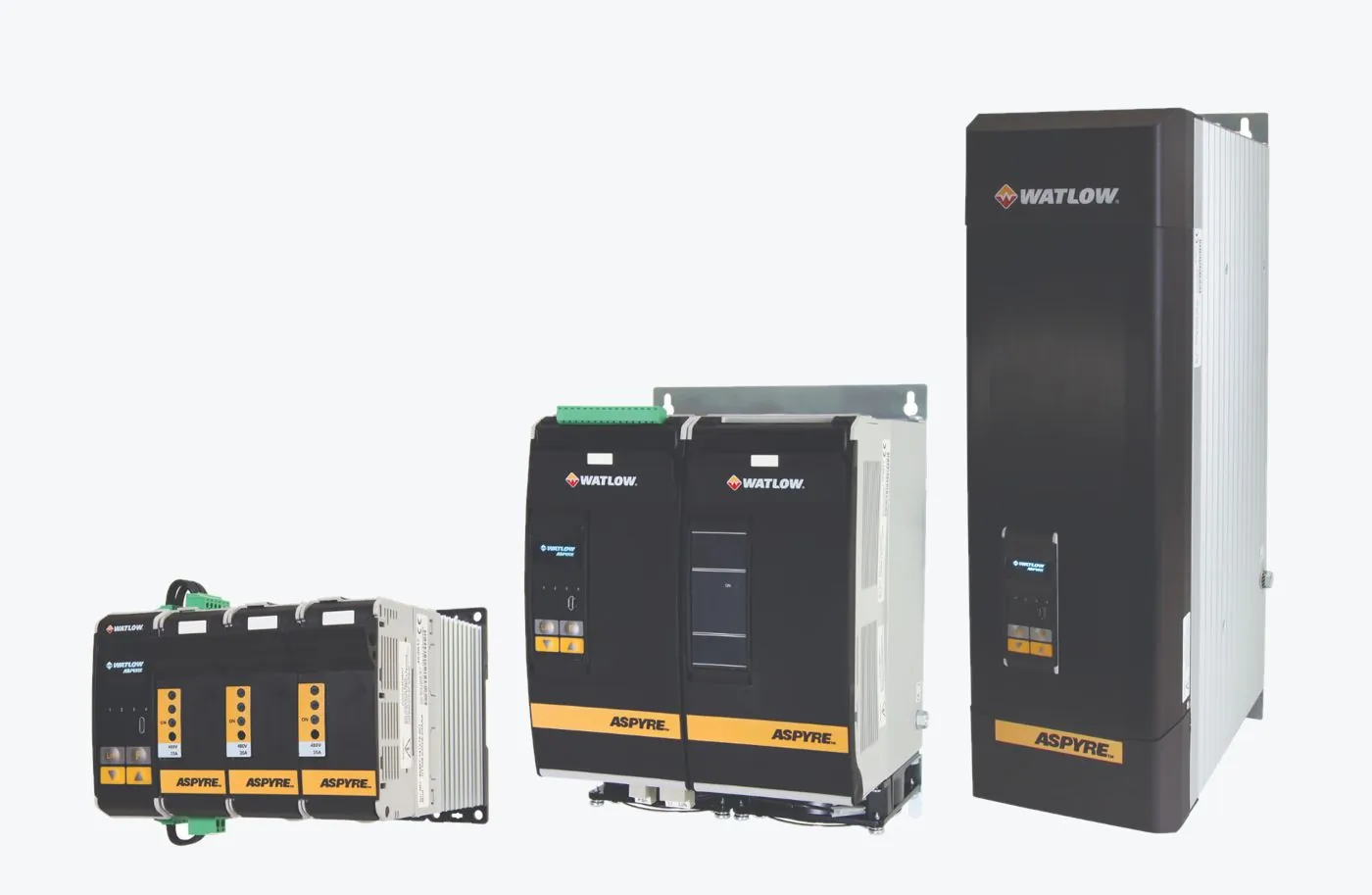
SOLID STATE RELAY
What Is a Solid State Relay?
A Solid State Relay is an electronic switching device that controls power using semiconductor components rather than mechanical contacts. When a control signal is applied, the SSR switches electrical power to the load almost instantly, allowing accurate regulation of electric heaters and temperature-sensitive processes.
Because there are no moving parts, SSRs offer several advantages over conventional relays:
- Silent operation
- No contact wear
- High switching speeds
- Long service life
- Minimal maintenance
- Improved temperature control
These benefits make SSRs particularly popular in industrial heating systems where reliability and precision are critical.
SOLID STATE RELAY
Why Switching Technology Matters
Many heating applications still use electromechanical contactors for power switching. While contactors are suitable for basic on/off operation, they are often unable to provide the rapid switching required for modern temperature control.
When heaters operate with long switching cycles, the element continually overheats and cools. This creates excessive temperature fluctuations known as thermal excursion.
According to industry testing, thermal excursion is one of the primary causes of premature heater failure because repeated expansion and contraction causes the heating element to become brittle, oxidise, and eventually break.
The faster the switching cycle, the more stable the heater temperature becomes.
SOLID STATE RELAY
How SSRs Improve Heater Performance
Reduced Temperature Fluctuation
A traditional contactor may operate on a cycle time of 30 seconds or longer. During this period, the heater temperature can overshoot and then fall below the desired setpoint.
An SSR typically operates with a one-second switching cycle, allowing much tighter temperature control. Industry testing showed temperature overshoot reductions from approximately 300°F with a mechanical contactor to approximately 4°F with an SSR.
This more stable control provides:
- Better process consistency
- Improved product quality
- Reduced thermal stress
- Faster response to changing conditions
Longer Heater Life
Every heating element expands when heated and contracts as it cools. Excessive cycling accelerates wear.
Industry testing found that reducing switching intervals significantly increased heater life compared with slower cycling technologies. In many cases, SCR-based fast-switching systems achieved operating lifetimes many times greater than mechanical alternatives.
For facilities operating continuously, extending heater service life can result in substantial maintenance savings.
Lower Maintenance Costs
Mechanical contactors eventually wear out because contacts arc, pit, and degrade over time.
SSRs contain no moving contacts, eliminating:
- Contact replacement
- Mechanical failures
- Contact chatter
- Routine relay maintenance
For manufacturers seeking improved equipment uptime, this can be a major advantage.
SOLID STATE RELAY
Types of Solid State Relays
Not all SSRs are designed for the same application. Selecting the correct type ensures optimal performance and reliability.
SSR Type Comparison Table
| SSR Type | Best Application | Advantages | Considerations |
|---|---|---|---|
| Zero-Cross SSR | Resistive heating loads such as tubular, immersion and circulation heaters | Reduces electrical noise, smooth operation, long life | Not ideal for rapidly changing loads |
| Random Turn-On SSR | Fast-response loads and certain control applications | Immediate switching response | Generates more electrical noise than zero-cross models |
| Single-Phase SSR | Small to medium industrial heaters | Compact, economical, simple wiring | Limited to single-phase loads |
| Three-Phase SSR | Large heating systems, ovens and process equipment | Controls high-power loads efficiently | Higher cost than single-phase units |
| DIN Rail SSR | Control panels and OEM machinery | Easy installation, space saving | Lower current ranges available |
| Panel Mount SSR | Industrial process heating systems | Higher current capacity, improved cooling options | Requires appropriate heat sinking |
| Integrated Heat Sink SSR | High-duty-cycle applications | Simplifies installation and thermal management | Larger physical footprint |
SOLID STATE RELAY
SSR vs Mechanical Contactor
Many engineers evaluating process heating upgrades ask whether an SSR is worth the investment.
The answer is often yes, particularly when temperature accuracy and equipment reliability are important.
For precision heating applications, SSRs consistently provide better performance and lower lifetime operating costs.
Solid State Relay vs Mechanical Contactor
| Feature | Solid State Relay | Mechanical Contactor |
|---|---|---|
| Moving Parts | No | Yes |
| Maintenance | Very low | Regular maintenance |
| Switching Speed | Fast | Slow |
| Temperature Stability | Excellent | Moderate |
| Operating Noise | Silent | Audible clicking |
| Service Life | Extremely long | Limited by contact wear |
| Process Control Accuracy | High | Lower |
SOLID STATE RELAY
Typical Industrial Applications
Solid State Relays are widely used throughout Australian industry.
Industrial Ovens
Maintain stable temperatures for curing, drying, baking, and heat-treatment processes.
Plastic Processing Equipment
Commonly used on barrel heaters, nozzle heaters, mould heaters, and extrusion systems where temperature precision directly affects product quality.
Food and Beverage Processing
SSRs help maintain accurate temperatures in cooking, packaging, drying, and sterilisation equipment.
Mining and Resources
Reliable heater control is critical for freeze protection, process heating, analyser shelters, and equipment enclosures.
OEM Equipment Manufacturing
Machine builders often specify SSRs because they provide a compact, maintenance-free solution that improves system reliability.
SOLID STATE RELAY
Choosing the Right SSR
Selecting the correct Solid State Relay involves more than matching the voltage and current.
Current Rating
Always allow a suitable safety margin above the actual load current.
Input Control Signal
Verify compatibility with:
- PLC outputs
- PID controllers
- Temperature controllers
- 4-20mA control signals
- DC voltage control signals
Heat Management
All SSRs generate heat while conducting current. Proper heat sinking is essential for long-term reliability.
Electrical Environment
Consider:
- Ambient temperature
- Ventilation
- Moisture exposure
- Dust contamination
- Harmonics and electrical noise
A properly sized SSR can provide years of reliable operation with minimal maintenance.
SOLID STATE RELAY
Best Practices for Maximum Reliability
To get the most value from your SSR investment:
Use Proper Heat Sinks
Heat dissipation is one of the most important factors affecting SSR lifespan.
Install Surge Protection
Protect the relay from voltage spikes and electrical disturbances.
Ensure Good Panel Ventilation
Adequate airflow can significantly improve operating reliability.
Size Correctly
Avoid selecting an SSR with a rating too close to the operating current.
Use Quality Temperature Controllers
A well-configured PID controller combined with an SSR delivers the best process stability.
SOLID STATE RELAY
Why Australian Industry Is Moving Towards Solid State Switching
Manufacturers are under increasing pressure to improve efficiency, reduce downtime, and minimise maintenance costs. SSR technology directly supports these objectives.
Compared with traditional switching technologies, Solid State Relays provide:
- More accurate temperature control
- Improved heater life
- Reduced maintenance
- Better product consistency
- Higher equipment uptime
- Greater system reliability
For heating applications operating around the clock, these benefits can translate into significant cost savings and improved production performance.
SOLID STATE RELAY
Solid State Relays: A Smart Investment for Modern Heating Systems
Whether you're building new equipment, upgrading an ageing control panel, or trying to improve heater reliability, a Solid State Relay is one of the simplest and most effective ways to enhance heating system performance.
By reducing thermal cycling, minimising mechanical wear, and delivering precise power control, SSRs help protect your heating elements while improving overall process efficiency. The heater life and thermal performance improvements shown in industry testing clearly demonstrate why fast-switching electronic power control has become the industry standard for demanding industrial heating applications.
Talk to the Heating Control Experts
Looking for the right Solid State Relay for your industrial heating system?
Our team can help you select the ideal SSR based on load type, voltage, current requirements, operating environment, and control strategy. We supply high-quality industrial power control solutions for manufacturers, OEMs, process plants, and engineering companies throughout Australia.
Contact us today for technical advice, pricing, and expert assistance with your next heating control project.
FAQ
Frequently asked questions
Interested in solid state relay?
Tell us about your application and our engineers will find the right solution.